

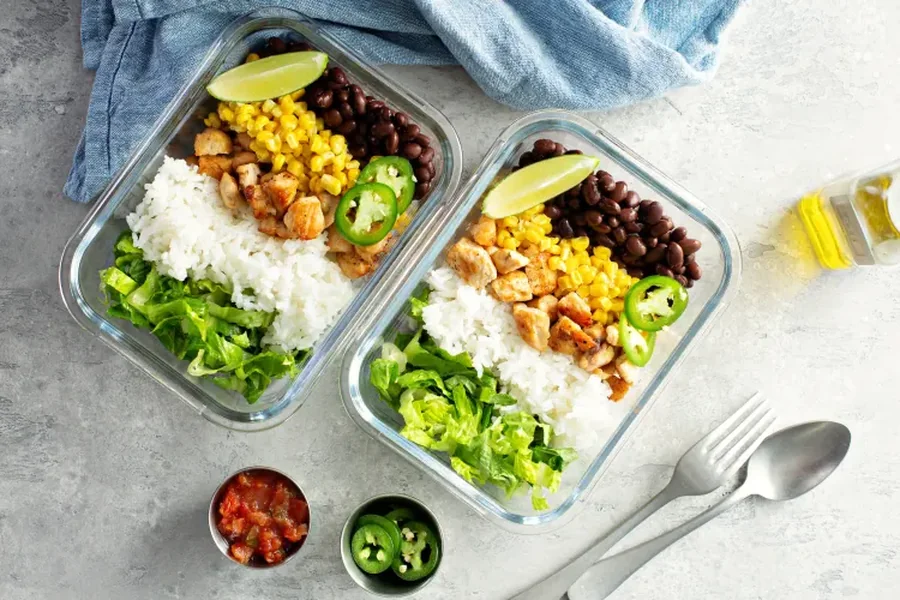
Busy schedules often make healthy eating feel difficult. Between work responsibilities, family commitments, commuting, and personal goals, many people struggle to prepare balanced meals every day. As a result, quick takeout meals, skipped breakfasts, or unhealthy snacks can easily become part of the routine. This is where meal preparation can make a real difference.
Learning Easy Meal Prep Ideas for the Week can help create healthier habits while saving time, money, and daily decision making. Meal prep is not only for athletes or people following strict nutrition plans. It can benefit students, working professionals, parents, and anyone who wants to make eating easier during busy days.
Preparing meals ahead of time reduces stress and creates structure. Instead of wondering what to cook every day, you already have healthy options ready to enjoy.
Meal preparation also helps reduce food waste, improve portion control, and support consistent nutrition.
The good news is that meal prep does not need to be complicated or time consuming. With a little planning and a few practical ideas, anyone can build a routine that fits their lifestyle.
Small preparation steps done once or twice a week can create lasting benefits throughout the entire week, similar to how checking cookout menu prices in advance can help with better meal planning and choices.
Why Meal Prep Makes Everyday Life Easier
One of the biggest advantages of meal prep is convenience. Having meals ready in advance removes the daily pressure of deciding what to cook.
After a long day, many people feel too tired to prepare a healthy meal from scratch. This often leads to fast food, processed snacks, or skipping meals altogether.
Prepared meals create better choices.
When healthy food is already available, people are more likely to eat balanced meals.
Meal prep also saves time during the week.
Instead of cooking every day, you can prepare ingredients or complete meals in one organized session.
This creates more time for work, family, exercise, hobbies, or rest.
Financial savings are another major benefit.
Buying ingredients in planned amounts often costs less than ordering food multiple times each week.
Meal prep also helps reduce waste because ingredients are purchased with a purpose.
For many people, meal preparation creates a sense of control.
Knowing your meals are ready can reduce stress and support healthier daily routines. More in-depth content is available on boringmagazine.co.
Start with a Simple Weekly Meal Plan
Successful meal prep often begins with a basic plan.
Without planning, it is easy to buy unnecessary ingredients or prepare meals that do not fit your schedule.
Start by looking at your week.
Think about your work hours, social plans, exercise routine, and family commitments.
This helps you understand when prepared meals will be most helpful.
Choose meals that fit your lifestyle.
Some people need quick breakfasts before work.
Others may need packed lunches or easy dinners after long days.
A simple meal plan does not need to include every meal.
Even preparing one meal category, such as lunches or breakfasts, can make a big difference.
Choose recipes with overlapping ingredients.
For example, grilled chicken, rice, and vegetables can be used in bowls, wraps, salads, or stir fry meals.
This saves both money and preparation time.
Writing down your plan also makes grocery shopping easier.
A clear plan creates structure and reduces unnecessary decisions.
Breakfast Meal Prep Ideas for Busy Mornings
Breakfast is often the first meal people skip when mornings become rushed.
Preparing breakfast in advance helps create healthier mornings and more consistent energy.
Overnight oats are one of the easiest options.
Oats can be prepared in containers with milk, yogurt, fruit, and seeds the night before.
They require no cooking and can be eaten quickly.
Egg based breakfast options also work well.
Boiled eggs, vegetable egg muffins, or breakfast wraps can be prepared in batches and stored for several days.
Smoothie packs are another convenient option.
Pre portioning fruit, greens, and other ingredients makes morning blending faster.
Whole grain toast ingredients, nut butter, yogurt bowls, and homemade granola can also support balanced breakfasts.
The goal is convenience without sacrificing nutrition.
A prepared breakfast often improves concentration, mood, and productivity during the first part of the day.
Starting the day with healthy food can influence better choices throughout the rest of the day.
Lunch and Dinner Meal Prep Ideas
Lunch and dinner often require the most planning, especially for busy professionals or families.
One of the easiest meal prep strategies is batch cooking.
Prepare larger portions of proteins, grains, and vegetables that can be mixed in different ways throughout the week.
Chicken, fish, beans, tofu, eggs, or lentils can provide protein options.
Brown rice, quinoa, pasta, potatoes, or whole grain wraps add energy and variety.
Roasted vegetables, fresh salads, or steamed greens create balance.
Grain bowls are especially practical.
They are easy to assemble and allow for many flavor combinations.
Soups and stews are also excellent meal prep choices.
They store well and often taste even better after a day or two.
Pasta dishes, stir fry meals, and wraps also work well for batch cooking.
Keeping meals simple often improves consistency.
You do not need a different recipe every day.
A few versatile meals can support the entire week.
Meal prep becomes easier when recipes are practical, balanced, and enjoyable.
Healthy Snacks and Smart Portion Control
Snacking is another area where meal prep can be helpful.
When healthy snacks are ready, people are less likely to reach for highly processed foods.
Fresh fruit, cut vegetables, yogurt, nuts, seeds, and cheese portions make excellent prepared snacks.
Homemade energy bites or whole grain crackers with healthy spreads can also support energy throughout the day.
Portion control is another important benefit of meal prep.
Pre portioning meals and snacks can help prevent overeating.
This supports both physical health and energy balance.
Using containers with divided sections can make portioning easier.
Meal prep also helps people become more aware of what they are eating.
This often leads to better nutrition choices over time.
Healthy snacking should feel satisfying rather than restrictive.
Preparing enjoyable snacks creates consistency and reduces unhealthy cravings.
Balanced snacking can improve focus, mood, and productivity between meals.
Storage Tips for Fresh and Safe Meals
Proper food storage is an important part of meal preparation.
Even the best meals lose value if they are not stored safely.
Investing in quality containers can make meal prep much easier.
Glass or reusable containers often help keep food fresh and organized.
Labeling containers with dates can also help prevent waste.
Store cooked proteins, grains, and vegetables separately when possible.
This keeps ingredients fresher and allows for more meal variety.
Some foods freeze well, including soups, cooked rice, sauces, and protein dishes.
Freezing portions creates backup meals for extra busy days.
Fresh ingredients such as leafy greens and cut fruit should be stored carefully to maintain texture and flavor.
Keeping your refrigerator organized also supports consistency.
When healthy meals are easy to see and access, they are more likely to be eaten.
Food safety and freshness are essential parts of successful meal prep.
Final Thought
Easy Meal Prep Ideas for the Week can create meaningful changes in both health and daily productivity. Preparing meals ahead of time helps reduce stress, save money, support better nutrition, and make busy schedules easier to manage.
Meal prep does not need to be perfect or complicated.
Starting with a few breakfasts, lunches, or snack options can create momentum and build healthier habits over time.
With simple planning, smart ingredient choices, and consistent routines, meal preparation can become one of the most valuable habits in everyday life.
Healthy eating becomes much easier when good choices are already prepared and waiting for you.
FAQs
What is meal prep?
Meal prep is the process of preparing meals or ingredients in advance to save time and support healthier eating.
How many days ahead should I prepare meals?
Many people prepare meals for three to five days depending on food type and storage conditions.
Can meal prep help save money?
Yes, meal prep often reduces food waste, limits takeout spending, and supports better grocery planning.
What foods work best for meal prep?
Foods such as rice, chicken, eggs, vegetables, oats, pasta, beans, and soups often work well for meal preparation.
How can I keep meal prep interesting?
You can keep meal prep interesting by changing seasonings, sauces, vegetables, and protein combinations.
Do I need special containers for meal prep?
No, but quality reusable containers can make storage, organization, and portion control easier.
