

Knowing about Private IP Addresses.
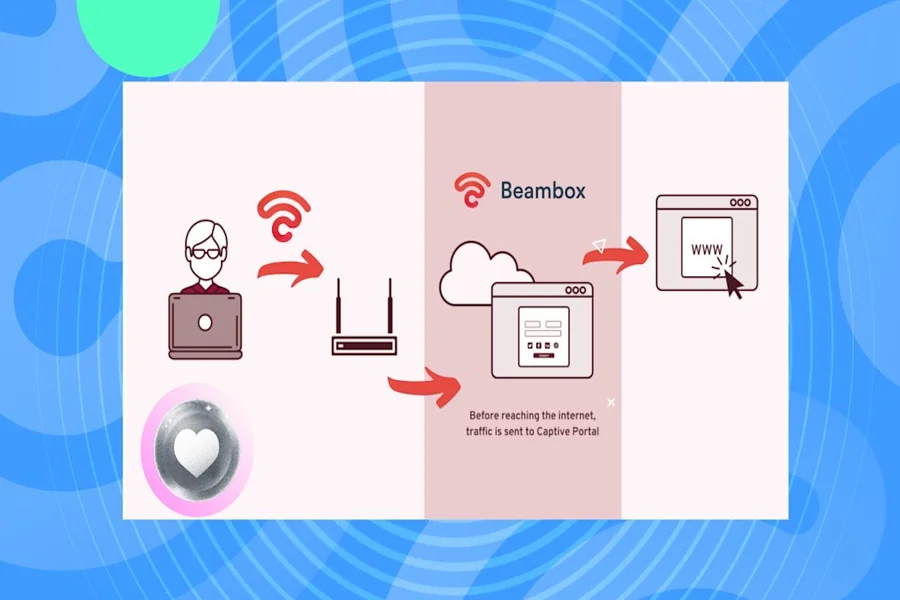
Each device in the computer network must be identified differently to be able to communicate with others. This system of addressing digital communication is what is offered by the internet protocol. The initial section of our main discussion deals completely with the 10.10.70.122 section. This particular number set belongs to a specialized group of numbers called universal IP addresses. The Internet Engineering Task Force identified certain ranges of addresses that would only be used as internal addresses many years ago. The beginning with the number ten is officially called a Class A private network block. Large companies can use this gigantic block to allocate millions of distinct addresses to individual computers and business servers. These speeches cannot be routed at all on the internet. You will not be able to just enter this address into a web browser on a standard home network, and hope to connect with the corporate destination. The online traffic remains fully within the physical or virtual boundaries of the particular organization. Hardware routers and network address translation protocols are used by network administrators to enable internal devices to have access to external resources on the internet. This translation process keeps the inner servers absolutely inconspicuous to the outer world. This elaborate architecture establishes a basic tier of security of vital corporate infrastructure. It is proactive in ensuring that external malicious agents do not directly attack internal corporate databases and sensitive facilities that manage employees. This system has its history in the early days of the internet when engineers understood that the provision of public addresses would one day come to an end. The huge problem was resolved through private addressing which enabled millions of companies to reuse identical intra-Corporate IP ranges without creating global routing tables. All large companies make use of these internal data center and local office network structures using these private ranges. This is one of the fundamental rules of routing that any contemporary network technician or system administrator should absolutely know.
The purpose of the port numbers.

The last part of 10.10.70.122.5589 is the one that points directly to the network port number. Network ports are extremely narrow digital doorways into the world of various forms of internet traffic. The data packets are received by the appropriate physical computer hardware but the port number identifies which particular software application is supposed to receive the data. Typical web traffic uses port 80 to connect without encryption and port 443 to connect in an extremely secure encrypted manner. In internal business applications, network administrators commonly give special port numbers, such as 5589. This is a clever way to keep the various technical services that are operating on the same server hardware apart. A single big physical server could be used to run an attendance tracking application on one port and a very complicated payroll system on a completely different port altogether. Custom ports also bring a little bit of obscurity to the overall network security setup. When searching network vulnerability, automated malicious scanning tools typically start with default ports. By installing an administrative internal portal on a custom port, the user needs to be aware of the correct address and port combination to access the first page of the user log in. This stringent limit can only allow those with the right internal connection information to attempt access to the sensitive system. The basic technology is based on the transmission control protocol that ensures a solid connection between the user computer and the internal server. This protocol makes sure that no data packets are lost and that the data packets are received in the correct sequence without losing a single digital bit. An effective connection must ensure a three way digital handshake between the client browser and the application server is complete to ensure that no actual portal data is sent over the local network wires.
Typical applications of Local Intranet Portals.
The organization uses internal intranet portals to conduct a very large number of absolutely key daily business operations. It is possible that the precise set of 10.10.70.122.5589 is what directs corporate users to a full human resource management system or other administrative employee dashboard. These in-house web apps are dealing with extremely sensitive personal employee information and sophisticated day-to-day workflow approvals. Strict time and attendance tracking is a very popular enterprise use case. At the beginning of each day, the employees are required to enter their work hours and officially request their future time off on the internal portal. The computerized system computes the number of hours worked and links directly with the corporate financial payroll department. Complete digital employee profile management is another highly common usage. Employees are able to see their individual employment information and update emergency contacts information safely and easily. These corporate portals are also widely used by companies to issue key company communications. Human resources departments constantly update their company policies and annual schedules of holidays in this centralized digital location. This plan can guarantee the unlimited availability of up-to-date official company guidelines to all its personnel. Placing these essential applications on a local privatenet instead of a third party public cloud service will ensure fullx total control of data privacy and compliance by the organization. The physical computer servers are directly controlled by the internal IT department and fully decide who is allowed, digitally, to access the hardware of the server and the portal software. Complex employee self service modules are also a feature of many of these systems. Such advanced modules will enable the workers to download monthly taxation documents and review their annual performance appraisals digitally without necessarily disturbing the human resources personnel.
Local network security best practices.
To ensure a hotly secured internal corporate network, there must be round-the-clock care and a tight administrative security policy in place. Mere fact that a network address is privately held does not necessarily mean complete digital security. Employee mobile devices have been compromised and sometimes rogue internal enterprise insiders pose a serious threat to internal enterprise networks. Businesses should also be keen to establish strong internal firewall regulations to carefully filter the flow of data between various internal parts of their local area network. A robust firewall is like a smart digital security guard that will continuously decide what specific data packets should be permitted to pass through the central network infrastructure. Remote workers also need to securely access sensitive company systems using a virtual personal network when working at home. The corporate VPN builds a very encrypted electronic tunnel between the remote laptop computer and the secure corporate network infrastructure. This is a safe tunnel that proactively shields confidential business information against online interception whilst the information is being transferred through the transparent internet. The administrators of the network are also advised to strongly enforce use of complex passwords and multi-factor authentication to all portals of internal employees. Introducing an additional mobile authentication measure will significantly decrease the general risk of digital access that is not authorized. Consistent network wide security inspections and timely software patches are of paramount importance in the long run network maintenance. Internal IT departments should actively upgrade server operating systems and internal portal applications on a timely basis. This is proactive maintenance that can eradicate any software vulnerabilities before they are wrongfully used by an unauthorized person or by a ransomware program that is run in autopilot. A small number of organizations use a rigid zero trust network architecture today. This high-level security model presupposes that no computer user or computer device can be trusted by default even when it is already a part of the closed corporate local area network.
Problem-solving Connection Problems.
The internal business portals may occasionally cause annoying technical challenges to employees trying to access them. Issues with network connection can majorly interfere with day-to-day business operations in the corporation and greatly frustrate the employees. The first important step to take during troubleshooting is to ensure that the physical or wireless device is properly connected to the corporate local network. Users should also be proactive in making sure that their computer is physically connected to the office network, or that they are logged into the company virtual private network software. A basic command line digital ping test can be easily used to check whether the internal server is accessible to the current user device or not. Ping command just sends a small chunk of digital data to the intended server and waits patiently till it receives an automated reply. When the network test fails outright the problem may be related to a much bigger internal network routing problem. Localized access to portals is often due to web browser configuration problems. Users are advised to empty their current web browser cache and to manually delete all stored web cookies in their web browser as soon as possible. Cached information that has become old and corrupted can often clash with newly updated software on the internal portal and completely block users. The other very frequent technical problem is erroneous entry of internet URL by the employee. To get to the particular internal application, the user will need to manually enter the appropriate correct numeric address with the appropriate trailing port number. One misplaced punctuation or one missing numerical character will automatically lead to an irritating page with browser connection error. More complex troubleshooting may involve involving the IT support personnel to execute a trace route command to determine the specific point in the internal corporate network that the network connection is failing.
Faq 10.10.70.122.5589.
What is the technical main use of a private IP address? Local corporate networks can coexist flawlessly using private network addresses, which does not burn up the very limited world supply of global addresses. They offer the required internal routing facilities and the appropriate isolation of the local network, which is in effect fully closed to direct threatening external internet connectivity. Why do enterprise companies in the present days use custom network port numbers? Active applications Custom network ports enable system administrators to safely run various types of web applications on a single physical computer server. They can also assist in the process of appropriately isolating internal network traffic types and add a minor useful level of computer protection by preventing standard foreseeable web ports. And may I be able to connect to this particular private address directly off of my personal home network? You simply cannot get a corporate network address which is a private one using a common public home network. You will be required to use a safe virtual personal network software customer that will be verified by your company to safely direct your home traffic fully into their business internal infrastructure network. How can I find out exactly what to do in the event that the internal web portal page does not load correctly? It is important to make sure first that you have an active connection to the main company network or corporate VPN. Test your web browser address for the spelling mistake and try to empty your complete web browser memory. In the event that the technical problem continues entirely, contact your internal IT support help desk right away. What is the basic difference between a local and wide area network? A local area network is a connection between computers in a small physical geographic location such as an office building. A wide area network links several local networks, which are geographically dispersed, with each other possibly using public internet infrastructure to overcome the enormous distance.
Final Thought
Knowing the technical wizardry that goes into internal local network addresses, makes the everyday operations of corporations in the digital realm seem like magic. The routing set up of 10.10.70.122.5589 is obviously one of the most standard industry-wide methods of ensuring internal enterprise data protection. Intelligently, network system administrators have learned to use private internet protocols and custom network ports to develop incredibly reliable and highly isolated digital environments with critical applications that they use every day in business. Corporate workers are also largely dependent on such internal systems to ensure fully smooth administrative digital processes as the company gains vastly because of much improved data privacy and complete control of operational hardware. Keeping these local networks remote and remote constantly is the only way to make sure that extremely sensitive organizational employment information is actively guarded against a number of external cybersecurity problems, and is at the same time extremely available to fully authorized corporate employees.
More Article: About vl n9zelo-dofoz Troubleshooting Unknown System Codes
