

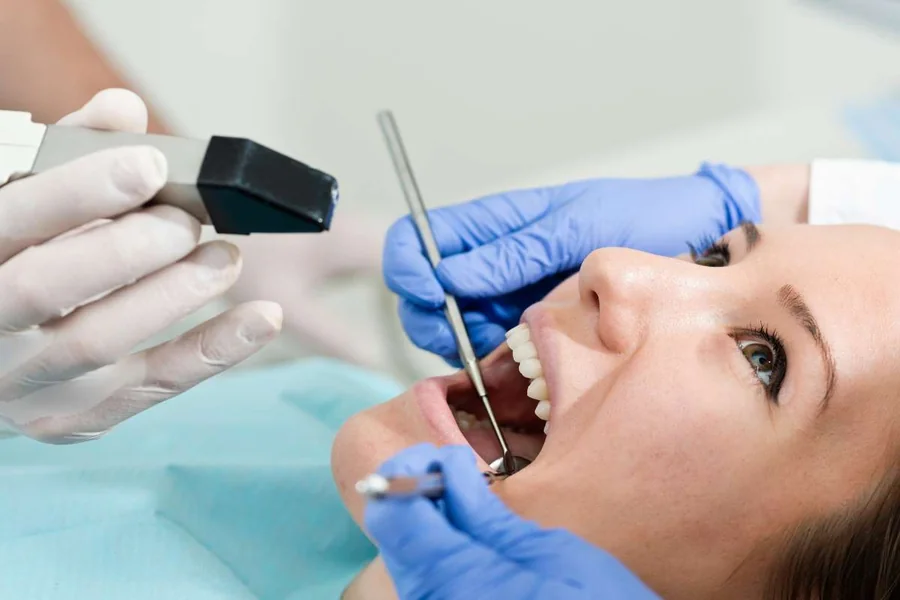
You may be staring at a mirror, avoiding certain foods, or feeling worn down by years of dental problems that never seem to stay fixed for long. Maybe one cracked tooth turned into several, or gum trouble and jaw pain started affecting how you eat, sleep, and talk. When someone mentions a full mouth reconstruction, it can feel like relief is finally in sight, but it can also sound expensive, long, and hard to picture. For patients exploring cosmetic dentistry Roanoke options, this kind of treatment may offer a path toward lasting comfort and confidence.
That mix of hope and worry is normal. A major dental rebuild is not one treatment. It is a plan that may involve crowns, bridges, implants, dentures, bite correction, and treatment for gum or jaw issues. The best place to start is not with fear or pressure. It is with the right questions, because the answers shape your comfort, your budget, and the result you live with every day.
Full mouth reconstruction starts with the reason you need it
The first question is simple. What exactly is being treated? Some people need care because of severe decay or missing teeth. Others have worn teeth from grinding, old dental work that is failing, or injuries that changed their bite. You need a clear explanation of the root problem, not just a list of procedures.
This matters because treatment that looks good on paper can fail if the real cause is ignored. If you grind your teeth at night, new crowns may chip. If gum disease is active, implants may not be the right first step. If your jaw joint hurts or clicks, your bite may need closer study. The National Institute of Dental and Craniofacial Research offers a helpful overview of temporomandibular joint disorders, especially if jaw pain is already part of your daily life.
Questions to ask: What caused the damage, what needs to be fixed first, and what happens if one part of the plan is delayed?
The treatment plan should match your health, not just your teeth
The second question is whether your overall health changes the plan. Diabetes, smoking, bone loss, dry mouth, acid reflux, and certain medications can affect healing and long term success. If this has not been discussed in detail, the plan is not complete.
You also want to know whether extractions, implants, dentures, or bridgework make the most sense for your body and your goals. Some patients want the most fixed option possible. Others need a lower cost path that still restores function. There is no single right answer. There is only the option that fits your health, timeline, and priorities.
If surgery may be part of your care, review a plain language explanation of dental implant surgery so you know what recovery and healing can involve.
Function matters as much as appearance in restorative and prosthetic dentistry
The third question is how the reconstruction will affect chewing, speech, and comfort. Many people focus on the cosmetic side first, which makes sense. You want to like your smile again. Still, a smile that looks better but feels off when you bite is not a good result.
This is where full mouth rehabilitation needs careful planning. The way your upper and lower teeth meet affects pressure on restorations, jaw strain, and how natural your teeth feel. Ask how your bite will be tested, how temporary restorations may be used, and how adjustments are handled after placement.
If removable teeth are part of the conversation, learn the basics about dentures and partial dentures. That makes it easier to compare fixed and removable options without guessing.
The cost of a full dental reconstruction should be broken down clearly
The fourth question is what the full cost includes. Not the estimate for one visit. The whole project. You need to know the price of imaging, extractions, gum treatment, temporaries, lab fees, final restorations, follow up visits, and possible maintenance. If financing is offered, ask for the total paid over time, not just the monthly number.
People get blindsided when they hear one number early, then learn later that bone grafting, sedation, or replacement temporaries were separate. That is not a small detail. It changes whether the plan is realistic for you.
| Area to Compare | Fixed Restorations | Removable Options |
| Upfront cost | Usually higher | Usually lower |
| Feel while chewing | Often closer to natural teeth | May take longer to adapt |
| Cleaning routine | Daily brushing and flossing around restorations | Daily removal and cleaning |
| Treatment timeline | Can be longer if surgery or healing is needed | Often shorter to deliver |
| Future adjustments | Repairs can be more involved | Relines and replacements may be needed over time |
The timeline for mouth reconstruction affects work, meals, and daily life
The fifth question is how long treatment will take and what daily life looks like during the process. This is where people often feel the most unprepared. You may need temporary teeth, soft foods, multiple healing periods, and time off after certain visits. If you speak for work, meet with clients, or care for children, the timeline matters more than most estimates show.
Ask for a step by step sequence. What happens first, what can happen at the same time, and what parts depend on healing. A good mouth reconstruction plan should make room for real life, not pretend you can pause everything else.
Long term success depends on maintenance and follow up care
The sixth question is what you will need to do after treatment is done. Dental work does not stay healthy on its own. Night guards, hygiene visits, bite checks, home care tools, and repairs all matter. This is especially true in restorative and prosthetic dentistry, where even excellent work can wear down if grinding, plaque buildup, or missed visits continue.
Ask how long the restorations are expected to last, what can shorten that lifespan, and what signs mean you should come back sooner. If the answer is vague, keep asking.
Three steps you can take before agreeing to treatment
Get the full diagnosis in writing. Ask for a written plan that lists your current problems, the order of treatment, alternatives, and the reason each step is recommended. This gives you something concrete to review when the appointment is over and your head is clearer.
Compare at least two treatment paths. One plan may lean toward implants. Another may combine crowns, bridges, or removable options. Seeing more than one path helps you weigh function, cost, healing, and maintenance without feeling cornered.
Map the plan onto your real schedule and budget. Look at work demands, travel, family obligations, and your monthly expenses. A plan only works if you can finish it and maintain it. If needed, ask whether treatment can be phased safely.
A better result starts with better questions
If you are considering a full dental reconstruction, you do not need to know every clinical term before you begin. You do need clear answers, realistic expectations, and a plan that respects your health and your life. The right restorative and prosthetic dentist will explain the why behind the work, not just the price or the procedures.
You have every right to slow the process down, ask for details, and choose a path that feels solid. That is how major dental care becomes manageable, and how a big decision starts feeling like the right one.
