

Introduction
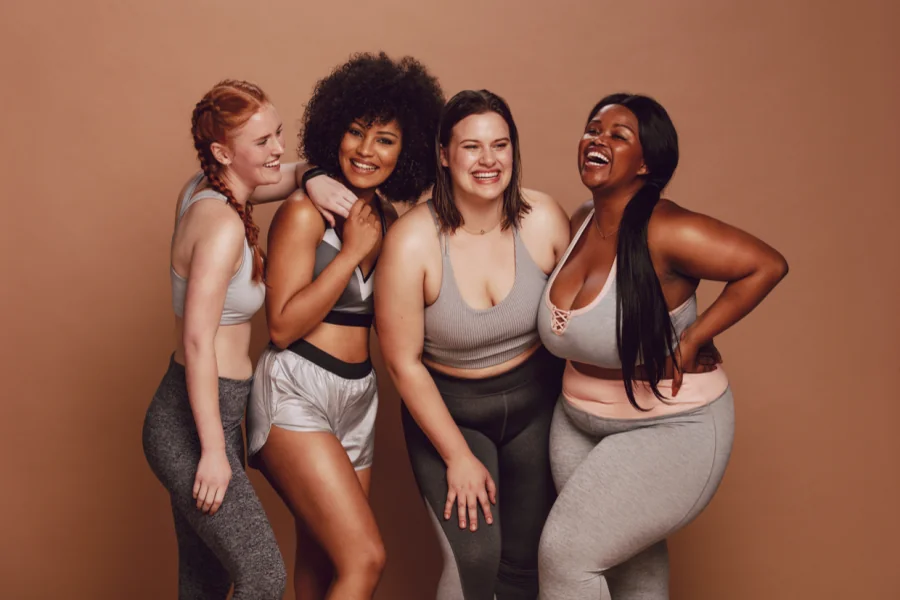
Body Shape Myths and Facts are often misunderstood because people receive information about their physiques from social media, fitness trends, advertisements, and everyday conversations. Some beliefs suggest that a particular body shape determines someone’s health, personality, or ability to build muscle. Others claim that specific exercises can completely change natural body proportions. In reality, body shape is influenced by several factors, including genetics, bone structure, muscle development, age, hormones, and lifestyle. Understanding these influences can help people make informed decisions about fitness, nutrition, and personal well-being. Instead of following unrealistic expectations, it is important to recognize that every body is different. Learning the difference between popular assumptions and reliable information encourages healthier habits and a more positive relationship with physical appearance.
One common misconception is that everyone should aim for the same body proportions to be considered healthy or attractive. However, natural differences in height, frame size, fat distribution, and muscle development make identical appearances unrealistic. General body-shape categories can help describe these differences, but they cannot explain someone’s complete health or physical potential. Resources such as bodytypecalc may help readers understand common body-shape classifications and identify general characteristics. Still, these classifications should be treated as educational guides rather than medical assessments. A person’s physique can change throughout life, and no single measurement tells the whole story. Recognizing this helps people focus on practical goals instead of comparing themselves with unrealistic images or outdated fitness standards.
Myth 1: Everyone Has One Permanent Body Shape
A common belief is that people are born with a specific body shape that never changes. Genetics certainly influence bone structure, natural proportions, and where the body tends to store fat. However, physical appearance is not completely fixed. Muscle development, body-fat levels, aging, hormonal changes, pregnancy, and daily activity can all affect how someone looks over time. For example, regular resistance training may increase muscle size and change the appearance of the shoulders, arms, legs, or back. Changes in nutrition and activity can also influence body composition. These developments do not mean that someone can completely redesign their skeletal structure. Instead, they show that the human body adapts to different circumstances. Natural proportions provide a starting point, not an unchangeable definition of appearance.
Myth 2: A Certain Body Shape Always Means Better Health
Another widespread misconception is that a particular body shape automatically indicates good or poor health. Appearance alone cannot provide a complete picture of someone’s physical condition. Two people with similar body proportions may have very different levels of cardiovascular fitness, blood pressure, muscle strength, and metabolic health. Likewise, someone who looks lean is not necessarily healthier than someone with a fuller physique. Health is influenced by several factors, including nutrition, physical activity, sleep, genetics, medical history, and stress. Healthcare professionals use appropriate measurements, medical assessments, and personal history to understand health risks. Body shape may describe visible characteristics, but it should not replace professional evaluation. A healthier approach focuses on sustainable habits and meaningful health indicators rather than judging people by appearance.
Fact 1: Genetics Influence Body Shape and Fat Distribution
Genetics play an important role in determining natural body proportions. They influence characteristics such as height, bone structure, muscle composition, and the areas where a person is more likely to store body fat. This helps explain why family members may share certain physical features even when they follow different lifestyles. However, inherited traits do not determine every aspect of someone’s physique. Exercise habits, nutrition, sleep, aging, and hormonal influences can affect body composition over time. Fat distribution also varies between individuals, with some people carrying more around the abdomen and others around the hips or thighs. These differences are normal and do not automatically indicate a health problem. Understanding genetic influence can encourage realistic expectations while leaving room for positive lifestyle changes.
Fact 2: Exercise Can Improve Fitness Without Changing Bone Structure
Exercise can strengthen muscles, improve posture, support joint function, and influence overall body composition. However, it cannot significantly change an adult’s underlying bone structure or completely transform natural skeletal proportions. For example, shoulder and back exercises can develop upper-body muscles, while lower-body training can strengthen the legs and glutes. These changes may affect how clothing fits and how body proportions appear. Cardiovascular activities also support heart health and endurance without necessarily producing dramatic changes in appearance. A balanced routine should include resistance training, aerobic activity, mobility work, and adequate recovery. Choosing exercises based on personal goals is more useful than believing certain movements can remove fat from one specific area. Consistency and realistic expectations make fitness more sustainable.
How to Build a Healthy Relationship With Your Body
Developing a positive relationship with your body begins with recognizing that physical differences are normal. Comparing personal measurements or proportions with edited photographs and unrealistic beauty standards can create unnecessary pressure. Instead, focus on activities that improve strength, energy, flexibility, and confidence. Eating balanced meals, staying hydrated, getting sufficient sleep, and maintaining regular physical activity can support overall well-being. Clothing choices can also help people feel comfortable and express their personal style without trying to hide natural features. It is equally important to avoid extreme diets or exercise routines promoted as quick solutions for changing body shape. Sustainable habits usually provide greater long-term benefits. If concerns about weight or body composition affect health, a qualified healthcare professional or registered dietitian can provide appropriate guidance.
Final Thought
Understanding the difference between body shape myths and facts makes it easier to approach fitness and appearance with confidence. Genetics influence natural proportions, but lifestyle habits and physical activity also contribute to body composition and overall well-being. No single physique represents the ideal standard for everyone, and appearance alone cannot determine health or athletic ability. Rather than chasing unrealistic transformations, individuals can benefit from balanced nutrition, regular movement, proper rest, and goals that reflect their personal needs. Learning accurate information also helps people recognize misleading claims and avoid unnecessary pressure. Every body has its own characteristics and capabilities. The most valuable goal is not achieving a specific shape but developing healthy habits that support strength, comfort, confidence, and long-term quality of life.
FAQs
Can body shape change naturally over time?
Yes, body composition and appearance can change through aging, hormonal influences, physical activity, nutrition, and other lifestyle factors.
Does genetics determine someone’s entire body shape?
Genetics influence natural proportions and fat distribution, but lifestyle, exercise, and age also affect physical appearance.
Can exercise change bone structure?
Exercise can strengthen muscles and improve posture, but it cannot significantly reshape an adult’s underlying skeletal structure.
Does having a slim body always mean being healthy?
No, appearance alone cannot determine health because factors such as cardiovascular fitness, nutrition, and medical history also matter.
Can specific exercises remove fat from one body area?
No, targeted exercises strengthen particular muscles, but they cannot guarantee fat loss from a specific body region.
Are body-shape categories medically reliable?
They are general descriptions of physical proportions, not comprehensive medical tools for evaluating someone’s health.
How can someone maintain a healthy body composition?
Balanced nutrition, regular exercise, sufficient sleep, and consistent lifestyle habits can support healthy body composition over time.
