

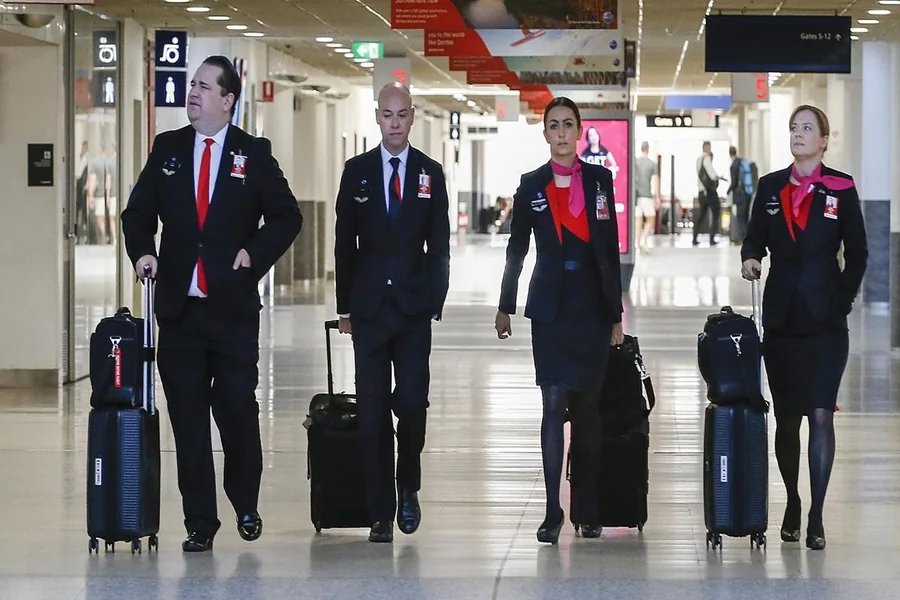
Flight attendant lifestyle tends to arouse the imagination of people as it is a mixture of adventure, traveling and a special profession. Most individuals imagine flight attendants as one who is always visiting exotic places and having glamorous traveling experiences. As much as traveling is indeed a significant component of the job, the lifestyle also involves presence of tasks, tight schedules and team spirit.
Being a flight attendant requires one to be in charge of the safety and comfort of passengers on board. The cabin crew members are well trained professionals who deal with emergencies, passengers and enforce the safety procedures of the airline. The kind of life related to this profession is quite unlike most of the conventional office employment.
Individuals, who think about aviation professions, usually desire to know what life of cabin crew members is like day by day. There is both the thrill and the challenge that are unique. Knowing about the life, the routine and the job conditions will allow future flight attendants make up their minds whether this profession is appropriate to their wants and characters or not.
What Defines the Flight Attendant Lifestyle
The Flight Attendant Lifestyle is characterized by a sense of mobility, flexibility and customer service. Flight attendants do not have the same experience as many other professions that require that they work within the same office daily, they spend a significant part of their time on the road.
Irregular schedule is one of the characteristics of this lifestyle. The aircraft fly 24 hours a day, and as such cabin crew might be obligated to work early morning flights, overnight flights, weekends, and holidays. The schedules tend to vary month to month according to the airline activities.
Another significant element is travel. Flight attendants are commonly known to be travelling to various destinations as part of their routes. Some of the trips are of short layovers whereas others are of relaxation to the new cities where the crew can work out and see the city as well.
There is also the element of teamwork. Members of cabin crew collaborate with pilots and other attendants to promote smooth flight operations. This profession requires the development of good communication and team building skills.
Concurrently, flight attendants should be able to remain professional and patient. They have hundreds of passengers that they have to deal with daily and have to cope with a diverse variety of situations in a calm and effective way.
Daily Routine and Responsibilities of Cabin Crew
The day of a flight attendant usually starts way before the aircraft is occupied by passengers. Prior to the flight, the crew members normally report to the airport and goes through a pre flight brief with the rest of the crew.
In this meeting, the crew goes through valuable information regarding the flight such as the safety measures, the passengers and the weather. The flight duties are given to each attendant.
When on the plane, the crew then cleanses the cabin ready to receive passengers. This will involve inspection of safety equipments, checking seat belts and overhead compartments and also inspection of all supplies being in place.
Attendants undertake a number of functions during the flight. They help passengers in their seating, practice safety procedures, serve meals and drinks and address the needs of passengers. They should also be able to check the cabin in terms of safety issues and to react to emergency situations.
Once they have landed, the crew assists passengers to leave the ship and prepares the plane to take off the next flight. The crew can proceed to another destination or spend the night in the metropolis depending on the schedule.
This dynamic routine makes the job interesting and it also needs good organizational and communication skills.
Benefits of the Flight Attendant Lifestyle
The diversity of positive incentives around the Flight Attendant Lifestyle is one of the reasons why a lot of individuals are attracted to aviation careers.
The most evident advantage is probably travel opportunities. The cabin crew personnel usually go to the places people only resort to during vacation. There are those airlines which have a long layover that allows the members of the crew to tour the surrounding attractions and obtain a feel of the different cultures.
Flexible scheduling is another advantage. The hours may be unpredictable though many airlines give the attendants the chance to exchange shifts or even bid to get desired routes. This flexibility will be useful in establishing long free time between trips.
Travel benefits are also an important benefit. Various airlines have discounted or free standby flights to employees and on other occasions extended them to their families. This is an advantage that personal travel is cheaper.
Another rewarding thing is getting to meet new people. Flight attendants are also socializing with other passengers with different backgrounds and cultures thus making it a socially interesting work.
To individuals who like adventure and diversity, the lifestyle is one that is rich in experience and is almost unattainable by other professions.
Challenges That Come With the Career
Although the work style may be exciting, it is associated with a number of challenges that should be familiar to potential flight attendants.
Unregular schedules are not easy. Occasionally working in overnight flights or the shift of time zones may impair the sleep pattern or energy levels. To adapt to such schedules, there is need to have discipline and good health practices.
The other challenge is time out of home. Multi day trips might require several days by cabin crew members away their family and friends. To sustain relationships, planning is necessary as well as communication.
It may also be a physically demanding job. Long periods of standing, helping passengers with their bags, and walking through the small aircraft aisles need strength.
This is also a job of customer service problems. In some cases, flight attendants have to work with stressed or agitated passengers, particularly when there is a delay or a sudden travel disturbance. It is vital to keep a head and act professionally even at such a moment.
Nevertheless, those who work in the cabin crew believe that it is all worth it because of the rewards and experiences of the job.
Skills Needed to Succeed as a Flight Attendant
Flight Attendant Lifestyle involves a skill set that will assist cabin crew to execute their duties well.
Good communication skills are necessary. Flight attendants should be able to communicate with other crews, explain safety measures to the passengers, and respond to the requests of passengers.
Customer service is also a skill that is important. Having a friendly and accommodating setting makes the passengers feel that they are at ease in their journey.
Solving problems skills also come in handy. Sudden problems like health complications, turbulence or flight delays demand a fast thinking attitude and making of sound decisions.
The other skill is adaptability. Due to the change in schedules, routes, and workplace conditions, effective flight attendants need to adapt to new conditions as soon as possible.
Physical strength and emotional endurance also contribute to the ability to keep the performance on the long flights and during the high-traffic travel periods.
These skills can be developed through training programs offered by the airlines to new members of the crew, who are trained to be prepared to meet the real world situation.
Maintaining Balance in the Flight Attendant Lifestyle
In this profession, personal life and work may not be easy to balance, although most flight attendants have found a way to put up with a healthy lifestyle.
The management of sleep schedules is one of the factors. Flights might also be trans-time zone and in this case, it is advisable always to have regular sleep patterns as much as possible to minimize fatigue.
Exercising and eating well is also significant. To boost energy during such hectic travel timetables, it is possible to be active and eat well.
A lot of the flight attendants also spend their layoff time to rest and rejuvenate. Travelling the city, trying local cuisine, or just sleeping in the hotel may be helpful to stay sane.
The other aspect of preserving emotional wellbeing is to remain in touch with family and friends. Video calls and messaging are some of the technological tools that keep crew members connected with each other even in the event they are miles away.
However, with time, the seasoned cabin crew members are able to learn how to make their time schedules and to maintain an acceptable balance between work and personal life.
Final Thought
The Flight Attendant Lifestyle is an exclusive combination of travelling, duty and self-development. It is a profession that lets one expose themselves to various cultures, people of various nationalities, and work in a dynamic environment.
Simultaneously, the lifestyle involves commitment, flexibility and interpersonal abilities. The profession includes irregular schedules, absence of home, and customer service demanding situations.
This profession can be very rewarding to the adventure lovers, team players, and those who like assisting other people. Knowing the pros and cons would enable future flight attendants to be ready to face the job.
Finally, travel is not the only part about the lifestyle. It is concerning professionalism, safety, and offering excellent services in the process of linking people all over the world.
FAQs
What is the Flight Attendant Lifestyle like?
The Flight Attendant Lifestyle involves frequent travel irregular work schedules customer service responsibilities and teamwork with other aviation professionals.
Do flight attendants travel for free?
Many airlines offer discounted or standby travel benefits for flight attendants which can allow them to fly at reduced costs.
Is the flight attendant job physically demanding?
Yes the job can require long hours standing assisting passengers and moving around the aircraft cabin during flights.
How often do flight attendants stay overnight in other cities?
Overnight layovers depend on the flight schedule and routes but many flight attendants regularly stay in different cities during multi day trips.
Do flight attendants receive special training?
Yes airlines provide training programs that cover safety procedures emergency response customer service and aircraft operations.
Can flight attendants maintain a work life balance?
Many flight attendants manage balance by planning their schedules carefully maintaining healthy routines and using layover time to rest or relax.
