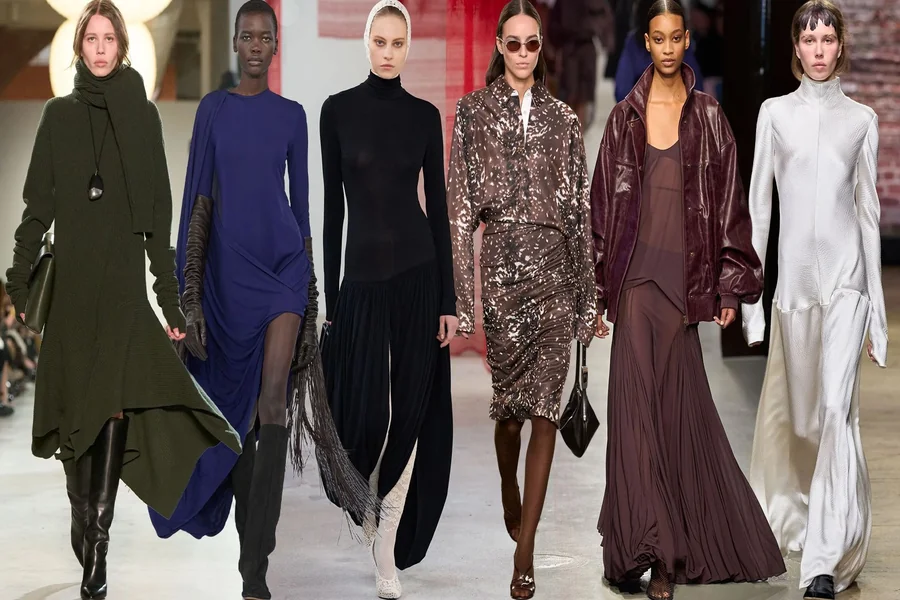
Fashion designing does not simply concern colors and material but also visual composition and harmony. Asymmetrical balance in fashion is one aspect of design that is still applied in modern fashions. This idea aims at establishing harmony in a garment despite the fact that the things on both sides are not the same. Designers do not rely on the idea of perfect symmetry and apply various shapes, cuts and details to create a balanced and dynamic look.
Asymmetry has been employed in fashion to bring a sense of movement, uniqueness and creativity. To make an impression, a number of modern designers make hemlines uneven or create a one-shoulder top or off-center detail. What makes these designs intriguing is that they will disrupt the conventional designs and still have a visual balance.
Knowing about asymmetrical balance is a reason of why some clothes can be considered artistic, modern, and interesting to look at. In the high-fashion runway collections, as well as the casual street style, this design concept has become a fundamental component in designing clothing.
Understanding Asymmetrical Balance in Fashion Design
One major concept of any type of design, including fashion, is balance. Symmetrical balance has in the past been applied in clothing with both sides of a piece of clothing being similar to one another. Symmetry brings out an image of order and formality whereas asymmetrical balance brings out creativity and movement.
The asymmetrical balance is an situation where various elements are placed in such a manner that they are still balanced to create a stable balance in the eyes. Indicatively, a one-shoulder strapping dress could counterbalance its design by draping, texture or decoration on the other part. Though the sides are not the same, the one gets a harmonious overall look.
The designers usually obtain this balance by positioning patterns, color contrasts and layering of fabrics in a strategic position. This is not aimed at making an absolute equality but to make the visual load of the garment appear to be balanced.
This method enables designers to defy conventional fashion without creating an appearance of a dishevelled piece of clothing.
The History of Asymmetry in Fashion
This is not the first time the asymmetrical design was introduced. Asymmetry has been used in clothes since time immemorial especially in traditional clothing of different cultures. The forms of draped clothes worn in ancient Greece and Rome were usually asymmetrical and flowing and designed to produce a natural folds.
Asymmetrical balance in the modern history of fashion was particularly prominent in the 20 th century. Designers started to experiment with unusual silhouettes and cuts. During the 1980s and 1990s, there was more experimentation in the use of avant-garde fashion, with asymmetrical shapes gaining popularity.
This was adopted by many famous designers to break the design conventions. Lopped hemlines, angle lines, and unpredictable construction became hallmarks in most fashion collections.
Nowadays, the asymmetry is generally approved as the sign of creativity and modernity. The concept is once again being re-interpreted by fashion designers with new and innovative ways.
Common Examples of Asymmetrical Fashion Pieces
Asymmetrical balance is observed in most of the apparels and accessories. There are also such well-known examples as one-shoulder dresses, in case of which one sleeve or strap forms an asymmetrical but a beautiful appearance.
The other example that is popular is the asymmetrical hemline. Skirts and dresses can be made to have a shorter front and longer back or even the sides not straight which make movement when the wearer gets to walk. These designs give it visual appeal and fluidity.
Diagonal cutting is commonly used in the creation of asymmetric shapes in layered tops and jackets. Designers can also position zippers, buttons or ornamental elements in an off-centered manner to create the effect of asymmetrical designs.
This design principle can also be applied even to accessories. Irrational shaped handbags, earings of differing lengths, scarfs improperly flowing, etc, can be used to create a mutually advantageous asymmetrical appearance.
These aspects show how asymmetry may turn modest garments into beautiful picturesque designs.
Why Designers Use Asymmetrical Balance
Asymmetrical balance is a common tool of fashion designers since it enables them to produce clothes that would be distinct but still trendy and comfortable. Asymmetrical designs are fresh and modern in contrast to symmetrical designs that at times are predictable.
There are also some aspects of the body that can be underscored by this design technique. As an illustration, a diagonal neckline can highlight the collarbone and shoulders, and an uneven hemline can make one look like they have longer legs.
Asymmetrical designs tend to give some movement to clothes. Angled cuts and flowing fabrics give the dynamic shapes that change with movement of the wearer. Such a feeling of flow renders clothes more vibrant and expressive.
The other aspect that makes designers embrace asymmetry is the fact that it is a contemporary artistic trend. Asymmetry is used in many contemporary design fields such as architecture and graphic design to produce compositions that are aesthetically compelling. The same applies to fashion, where creativity balances out.
Styling Outfits with Asymmetrical Elements
Masculine looks can also be achieved by the wearing of asymmetrical clothes. But these items have to be styled in a considerate way to ensure there is a balance in the outfit.
Among the best tricks is to make the rest of the outfit comparatively plain. When a top or a dress has a dramatic asymmetrical pattern, we can wear it with very few accessories or neutral clothes to bring harmony to the visuals.
The shoes and accessories that are used should not be mixed with the general fabric of the outfit but be used in line with it. As an illustration, smooth shoes and simple jewelry usually go well with asymmetrical clothes.
Asymmetrical styling can also be promoted by layering. One-shoulder top when it is covered with a jacket or uneven jacket when it is worn over a dress can bring interesting contrasts and balance.
Finally, confidence is significant in the asymmetrical fashion. Such designs tend to draw attention and thus wearing them confidently will bring out the specialty of those designs.
Asymmetry in Modern Fashion Trends
Asymmetrical balance in fashion still takes place in numerous styles and collections in the modern fashion. Designers often test new approaches to the use of uneven shapes and constructions into clothes.
Asymmetrical designs adopted by street wear has been achieved in oversizing, layered fabrics and unpredictable details. Architectural silhouettes and sculptural garments, which are also reconstructions of asymmetry, are also used by high-fashion designers.
Modern fashion design has also been affected by technology. The digital pattern-making tools enable designers to play around with complicated forms that would not have existed in the past.
Another field where asymmetry is exhibited is in sustainable fashion. In rare instances, designers make use of the scraps of fabric that are left over to create clothes that have consciously disproportional designs or construction.
These tendencies demonstrate that asymmetrical design is still topical in fashion art and practice.
Final Thought
Asymmetry is now a key design value, which enables fashion to be creative, expressive, and appealing to the eye. The notion of asymmetrical balance in fashion proves that the clothes do not have to be reflected perfectly to be considered harmonious and graceful.
With creative edits, asymmetrical hemlines, and the unforeseen nature of details, designers produce the clothes that break the traditional design rules, and they do not result in instability of the visuals. This strategy promotes fashion uniqueness and creativity.
With the current nature of the fashion industry, asymmetrical designs will probably not cease to be one of the preferred designs among designers who want to produce bold and memorable clothes. The creativity and balance of asymmetrical fashion make it design the modern style in exciting ways.
FAQs
What is asymmetrical balance in fashion?
Asymmetrical balance in fashion refers to a design approach where elements on each side of a garment are different but arranged in a way that still creates visual harmony.
Why do designers use asymmetrical designs?
Designers use asymmetrical designs to create unique, dynamic clothing that stands out while maintaining a balanced and stylish appearance.
What are common examples of asymmetrical clothing?
Common examples include one-shoulder dresses, uneven hemlines, diagonal cuts, and garments with off-center details.
Is asymmetrical fashion suitable for everyday wear?
Yes, many asymmetrical garments are designed for everyday wear and can add a modern and stylish touch to casual outfits.
How can someone style asymmetrical clothing?
Asymmetrical clothing can be styled by keeping other elements of the outfit simple, allowing the unique design of the garment to stand out.
Is asymmetry considered modern in fashion?
Yes, asymmetrical design is widely associated with modern and contemporary fashion because it introduces creativity and visual interest.