

Injuries can happen suddenly and without warning, affecting people of all ages and lifestyles. Whether caused by sports, accidents, workplace incidents, or everyday falls, injuries often disrupt normal life and create physical, emotional, and financial challenges. Recovery is rarely immediate. It usually requires a combination of medical care, rehabilitation, patience, and ongoing support. Fortunately, modern medicine offers a wide range of treatments and therapies that significantly improve healing, reduce pain, and help individuals regain mobility and independence.
The Importance of Early Medical Treatment
The effectiveness of treatment depends on several factors, including the type and severity of the injury, the patient’s overall health, and how quickly medical care begins. While some injuries heal naturally with rest and time, many require specialized interventions to ensure full recovery and prevent long-term complications. Understanding the most effective medical treatments and therapies after injuries can help patients make informed decisions and improve their chances of successful rehabilitation.
Emergency Care and Diagnosis
One of the first and most important aspects of injury treatment is emergency medical care. Immediate evaluation and stabilization are critical, especially in severe injuries such as fractures, head trauma, or internal bleeding. Emergency physicians focus on preventing further damage, controlling pain, and stabilizing vital functions. Early diagnosis through imaging tools like X-rays, MRIs, and CT scans allows doctors to determine the extent of the injury and create a targeted treatment plan.
Pain Management During Recovery
Pain management is another essential component of recovery. Injuries often cause inflammation, swelling, and discomfort that can interfere with daily activities and slow rehabilitation. Doctors commonly prescribe anti-inflammatory medications, pain relievers, or muscle relaxants to reduce symptoms and improve comfort. In some cases, localized treatments such as corticosteroid injections may help reduce severe inflammation. However, medical professionals increasingly emphasize balanced pain management approaches that minimize dependency on strong medications while encouraging active recovery.
Physical Therapy and Rehabilitation
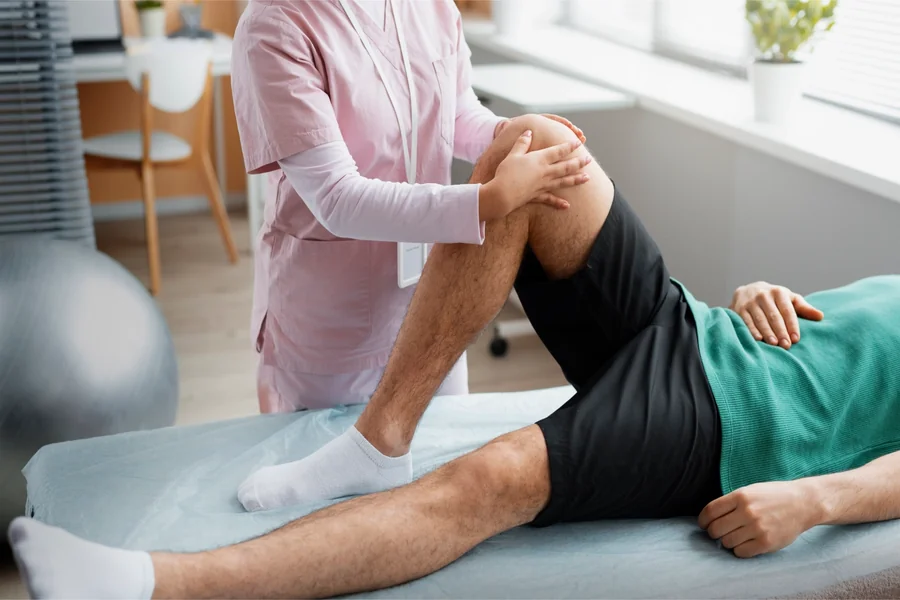
Physical therapy is widely considered one of the most effective rehabilitation methods after injury. This treatment focuses on restoring movement, strength, flexibility, and balance. Physical therapists create personalized exercise programs tailored to the patient’s condition and recovery goals. For example, someone recovering from a knee injury may perform strengthening exercises for the surrounding muscles, while a patient recovering from a shoulder injury may focus on mobility and range-of-motion exercises. In recent years, mobile physiotherapy services have also become increasingly popular, allowing patients to receive professional rehabilitation treatment in the comfort of their own homes.
Preventing Future Injuries
Physical therapy also plays a major role in preventing future injuries. Weak muscles, poor posture, and limited flexibility often contribute to repeated injuries. Through guided exercises and movement correction, therapists help patients improve body mechanics and build resilience. In many cases, individuals who commit to consistent physical therapy recover faster and experience better long-term outcomes than those who rely solely on rest.
Occupational Therapy and Daily Function
Occupational therapy is another highly valuable rehabilitation approach, particularly for injuries that affect daily functioning. While physical therapy focuses primarily on movement and physical recovery, occupational therapy helps patients relearn essential tasks such as dressing, cooking, writing, or working. This form of therapy is especially important for individuals recovering from hand injuries, neurological trauma, or serious accidents that impact coordination and independence.
Orthopedic Treatments and Surgery
For severe musculoskeletal injuries, orthopedic treatments often become necessary. Orthopedic specialists manage conditions involving bones, joints, ligaments, tendons, and muscles. Treatments may include casting, bracing, joint stabilization, or surgical procedures. Fractures sometimes require surgical fixation using plates, screws, or rods to ensure proper healing. Torn ligaments, such as anterior cruciate ligament (ACL) injuries in athletes, may also require reconstructive surgery followed by extensive rehabilitation.
Advances in Minimally Invasive Procedures
Advances in minimally invasive surgery have significantly improved recovery times and reduced complications. Arthroscopic procedures, for example, use small incisions and specialized cameras to repair damaged joints with less tissue disruption. Patients undergoing minimally invasive procedures often experience shorter hospital stays, reduced pain, and faster returns to normal activities.
The Role of Sports Medicine
Sports medicine has also emerged as a highly specialized field focused on injury prevention, diagnosis, and rehabilitation. Athletes frequently benefit from comprehensive treatment plans that combine medical care, physiotherapy, nutrition, and conditioning. Sports medicine professionals not only address current injuries but also evaluate movement patterns and training techniques to reduce future risk. Treatments such as therapeutic taping, mobility training, and strength conditioning are commonly integrated into recovery programs.
Regenerative Medicine and Modern Therapies
Another increasingly popular treatment option involves regenerative medicine. Techniques such as platelet-rich plasma (PRP) therapy and stem cell therapy aim to accelerate healing by using the body’s natural repair mechanisms. In PRP therapy, a concentrated sample of the patient’s blood platelets is injected into injured tissue to stimulate repair and reduce inflammation. Although research is still developing in some areas, regenerative therapies have shown promising results for tendon injuries, joint pain, and certain soft tissue conditions.
Chiropractic Care and Spinal Recovery
Chiropractic care may also provide relief for some individuals recovering from musculoskeletal injuries, especially those involving the spine, neck, or back. Chiropractors use manual adjustments and alignment techniques to improve mobility and reduce pain. While chiropractic treatment is not appropriate for every injury, many patients report improved comfort and function when it is integrated with traditional rehabilitation methods.
Mental Health and Emotional Recovery
Mental health support is another often overlooked but extremely important aspect of injury recovery. Serious injuries can lead to emotional stress, anxiety, frustration, or depression, particularly when recovery is lengthy or life-changing. Athletes may struggle with loss of identity during rehabilitation, while accident victims may experience trauma-related symptoms. Counseling, psychological therapy, and emotional support groups can help patients cope with these challenges and maintain motivation throughout the recovery process.
Nutrition and the Healing Process
Nutrition also plays a significant role in healing after injury. The body requires additional nutrients to repair damaged tissues and support recovery. Protein is especially important for muscle repair and regeneration, while vitamins such as vitamin C and vitamin D contribute to tissue healing and bone strength. Hydration and balanced nutrition help improve energy levels, immune function, and overall recovery outcomes. Many rehabilitation programs now incorporate nutritional guidance as part of comprehensive injury care.
Hydrotherapy and Aquatic Rehabilitation
Hydrotherapy, also known as aquatic therapy, has gained recognition as an effective rehabilitation method for certain injuries. Exercising in water reduces pressure on joints and allows patients to move more comfortably while building strength and flexibility. This therapy is particularly beneficial for patients recovering from surgery, arthritis, spinal injuries, or severe joint trauma. The supportive nature of water makes movement easier and often reduces pain during exercise.
Technology in Modern Rehabilitation
Technological advancements continue to transform injury rehabilitation. Robotic-assisted therapy, wearable movement trackers, and virtual reality rehabilitation programs are becoming increasingly common in modern healthcare settings. Wearable devices can monitor movement patterns and provide feedback to both patients and therapists, helping track progress more accurately. Virtual reality systems are also being used to improve balance, coordination, and neurological recovery through interactive exercises and simulations.
Assistive Devices and Mobility Support
For patients with severe injuries affecting mobility, assistive devices can dramatically improve quality of life during recovery. Crutches, braces, wheelchairs, prosthetics, and orthotic supports help individuals regain independence and participate more fully in daily activities. Modern prosthetic technology has become remarkably advanced, allowing many amputees to return to sports, work, and active lifestyles with greater confidence and functionality.
The Importance of Rest and Sleep
Rest and sleep remain fundamental elements of healing. During sleep, the body performs many essential repair processes that support tissue recovery and immune function. Patients recovering from injury are often encouraged to maintain consistent sleep routines and avoid excessive physical strain during early healing stages. While rehabilitation exercises are important, overtraining or returning to activity too quickly can worsen injuries and delay recovery.
Preventive Care After Recovery
Preventive care after recovery is equally important. Once patients heal, ongoing exercise, stretching, conditioning, and proper body mechanics help reduce the risk of reinjury. Many rehabilitation specialists educate patients about posture, ergonomics, and safe movement habits that support long-term physical health. Injury prevention programs are especially valuable in sports and physically demanding occupations where repeated strain is common.
Conclusion
Ultimately, successful injury recovery requires a comprehensive and individualized approach. No single treatment works for every patient or every injury. The best outcomes usually come from combining medical expertise, rehabilitation therapies, emotional support, proper nutrition, and patient commitment. Advances in medicine continue to improve recovery possibilities, helping people return to active and fulfilling lives after injury.
As healthcare technology evolves and rehabilitation methods become more advanced, patients today have access to more effective treatment options than ever before. With timely intervention, professional guidance, and dedication to recovery, many injuries that once caused permanent limitations can now be treated successfully, allowing individuals to rebuild strength, confidence, and independence.
