

Oforektomerad and Its impact on the health of women.
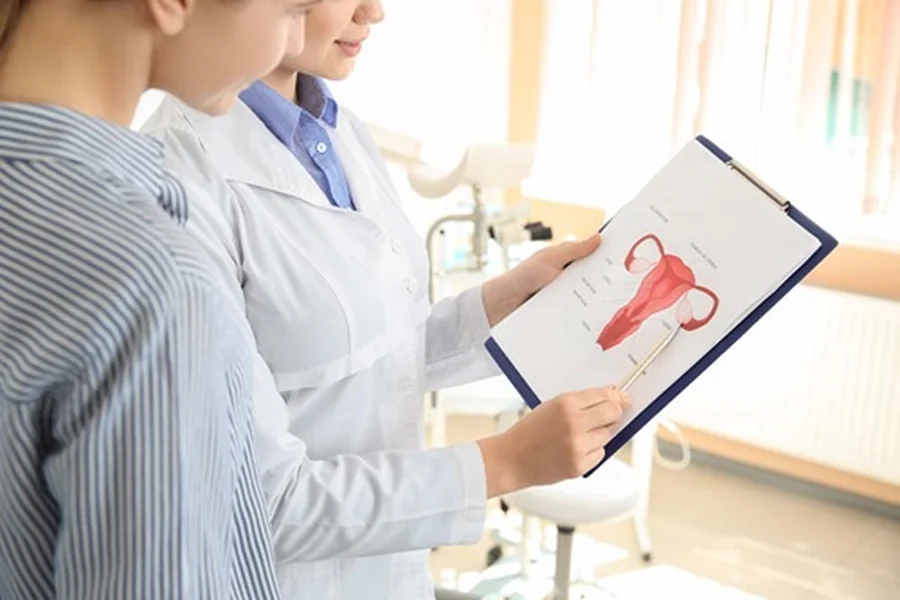
The Swedish word is oforektomerad to mean oophorectomy, the removal of an ovary or ovaries surgically. It is an important pillar in the field of gynecological medicine and can be employed to address a wide variety of conditions such as chronic pain and life-threatening diseases. Ovaries are small organs, almond-shaped, found on both sides of the uterus and they are an important part of the female reproductive system because they produce eggs and hormones such as estrogen and progesterone. In the case of an oforektomerad being suggested by a medical professional this is normally due to the advantages of removing the tissue being greater than the risks involved with leaving them in place. Knowing the specifics of this surgery is important to anyone who is about to undergo it since it affects physical health as well as hormonal balance.
The reason Surgeons recommend an Oforektomerad.
A patient may experience an oforektomerad due to a number of clinical reasons. The most prevalent cause is the existence of ovarian cysts or benign tumors that can cause excruciating pain or may rupture. Another common cause of this surgery is endometriosis particularly where the endometrial tissue has spread into the ovaries forming painful chocolate cysts called endometriomas. In more severe instances the surgery is done to treat ovarian cancer or to prevent occurrence of the same in women with high-risk genetic mutations such as BRCA1 or BRCA2. By eliminating the cause of possible malignancy surgeons can greatly increase the life expectancy of a patient and enhance their quality of life.
Various forms of Oophorectomy surgeries.
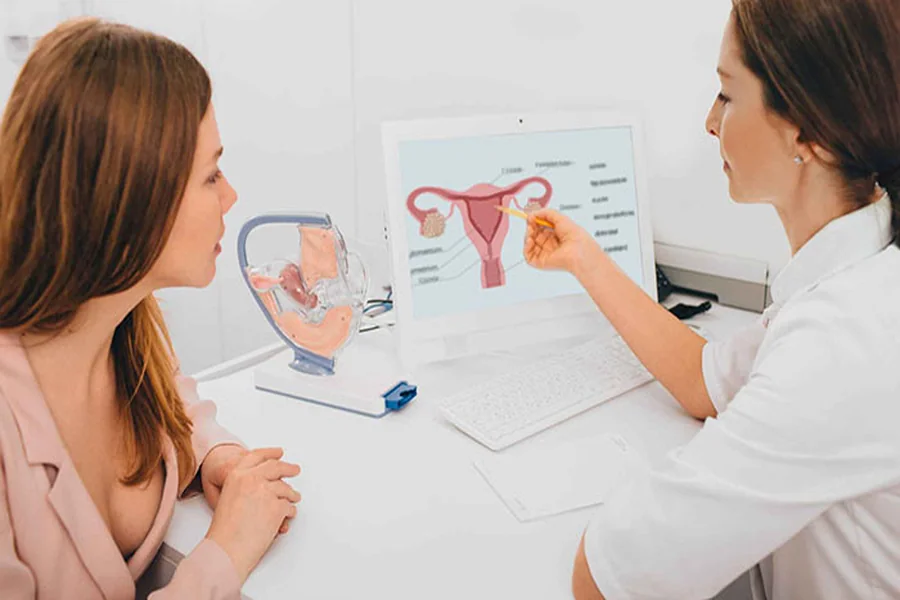
Talking about oforektomerad with a doctor you are likely to hear some words that will tell you precisely what is removed. In a unilateral oophorectomy only one ovary is removed and with this the patient may continue with regular hormonal cycles and even conceive a child in the future. On the other hand a bilateral oophorectomy is the removal of both ovaries that causes instant menopause and stops ovulation. This process is sometimes performed together with a salpingectomy that involves the removal of the fallopian tubes or a complete hysterectomy that involves the removal of the uterus. This particular methodology will be determined by the diagnosis and the long term reproductive objectives of the patient.
Surgical Process and Techniques.
In modern medicine, there are various methods of how to have an oforektomerad based on the health of the patient and the complexity of the case. Laparotomy is the most conventional one and is an open operation, with a wider incision in the lower abdomen. This is usually done when the ovaries are very big or when it is suspected that cancer is involved. But lots of patients are currently eligible to undergo laparoscopic surgery that involves the use of a small camera and special instruments that are inserted through small keyhole-like cuts. This is a less intrusive method that generally causes less pain and short-term recovery as well as reduced scars. We also have robotic-assisted surgery that gives the surgeon a 3-D view and better precision in the surgery field.
Getting back to normal after an Oforektomerad Procedure.
The healing of an oforektomerad also depends on the surgery performed but usually involves a rest and limited activity. Should you have laparoscopic surgery you may go home the same day or after a night in hospital. Surgeries in open form normally take several days to stay active. In the initial weeks it is important not to engage in excessive lifting and exercise to enable the internal incisions to heal adequately. You might have a bit of bloating or pain in the belly that can be generally relieved by taking medication. Emotions healing is also another aspect since the abrupt shift in hormone concentration can cause mood swings or sadness especially when both of the ovaries were removed.
Dealing with Hormones and Surgical Menopause.
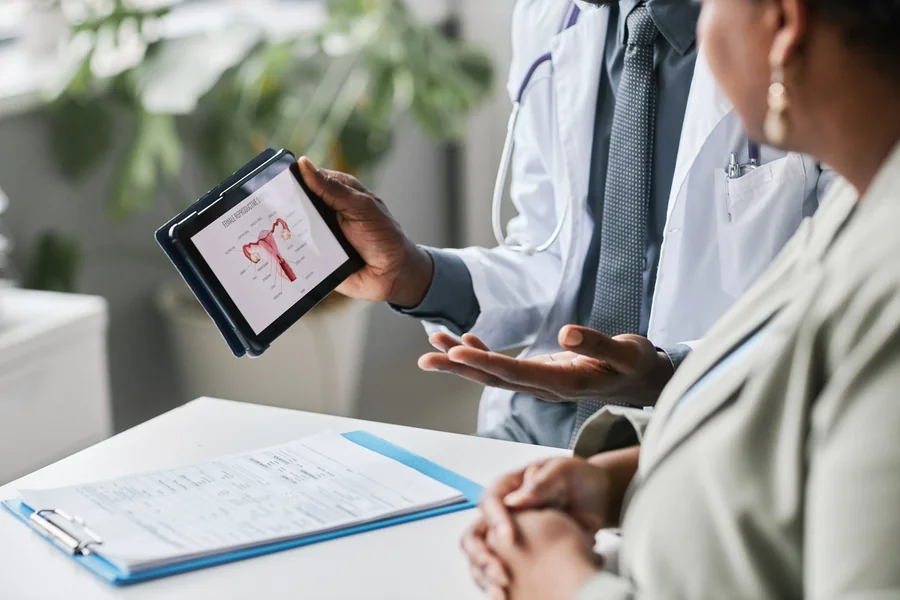
The development of the surgical menopause is one of the most severe consequences of a bilateral oforektomerad. As opposed to natural menopause that occurs over a period of years surgical menopause occurs immediately. This may cause severe symptoms of hot flushes night sweats and vaginal dryness. To cope with these symptoms most physicians recommend Hormone Replacement Therapy (HRT) to replace the estrogen that the body is no longer producing. HRT may serve to prevent bone, and cardiovascular health that is usually threatened by loss of ovarian activity. You should discuss openly with your healthcare provider to consider the risks and benefits of hormone therapy depending on your own medical history.
Postoperative Health Problems in the Long Term.
In addition to the short-term recovery period, an oforektomerad has long-term health effects on a woman. Estrogen is a protective hormone in the body and therefore, its lack may predispose an individual to osteoporosis or even heart disease. Patients are usually advised to take more calcium and Vitamin D and participate in weight-bearing exercises to ensure their bones are healthy. Regular examinations are even more necessary to check the health of the heart and the density of the bones. Although the surgery could possibly address the initial problem like chronic pain or the risk of cancer it causes a new stage of health treatment which can be maintained by active health care and change of lifestyle.
Psychological Effect and Support System.
The process of removing the ovaries may be a painful experience that may influence the identity and femininity of a person. In younger females loss of fertility can be especially upsetting. Seeking support groups or counseling can be helpful in order to work through these feelings. Most women feel relieved talking to others who have experienced an oforektomerad because they can discuss the experiences and coping mechanisms. It is important to remember that physical healing is not the only aspect of the process and it is important to give yourself grace to go through the emotional changes in order to achieve a successful long-term result.
Frequently Asked Questions
So, will I still have a period after an oforektomerad? When you undergo a unilateral oophorectomy you will most likely keep having periods as long as you have a uterus. But when you do a bilateral oophorectomy or hysterectomy you will cease to have periods because the hormonal cycle is disrupted or the uterine lining is no longer in place. What is the duration of surgery? An average oforektomerad takes one to two hours based on the method of operation laparoscopically or using an open incision. When other surgeries such as a hysterectomy are carried out at the same time the time will take a longer period. Will removing one ovary prevent me to get pregnant? Yes provided that the rest of the ovary and uterus are healthy and functioning you can still conceive naturally. The other ovary typically assumes the hormonal responsibilities and keeps on releasing eggs. Is oforektomerad major surgery? Yes they are minimally invasive but laparoscopic is still a major surgery since it is a procedure involving internal organs and is under general anesthesia. It needs adequate preparation and a specific recovery time. What are the dangers of the procedure? As with any operation, an oforektomerad is accompanied by risks of bleeding during an operation or allergic reaction to anesthesia. Also there is a slight risk of surrounding organ injury such as bowel or bladder.
Final Thought
The decision to have an oforektomerad is a big choice to make, where quick health benefits have to play off with future health. Being knowledgeable is your biggest asset whether you are battling a painful ailment or are taking a proactive measure against cancer. With the knowledge of what kind of surgery the recovery process involves and what hormonal changes to expect in the future, you and your medical staff can collaborate to guarantee the most desirable outcomes. You have to take it day-by-day and do not be afraid to seek medical and emotional help as you enter into this new stage of your health life.
More Article: SVTTEXT402 Your Complete Guide to SVT’s Teletext Services
