

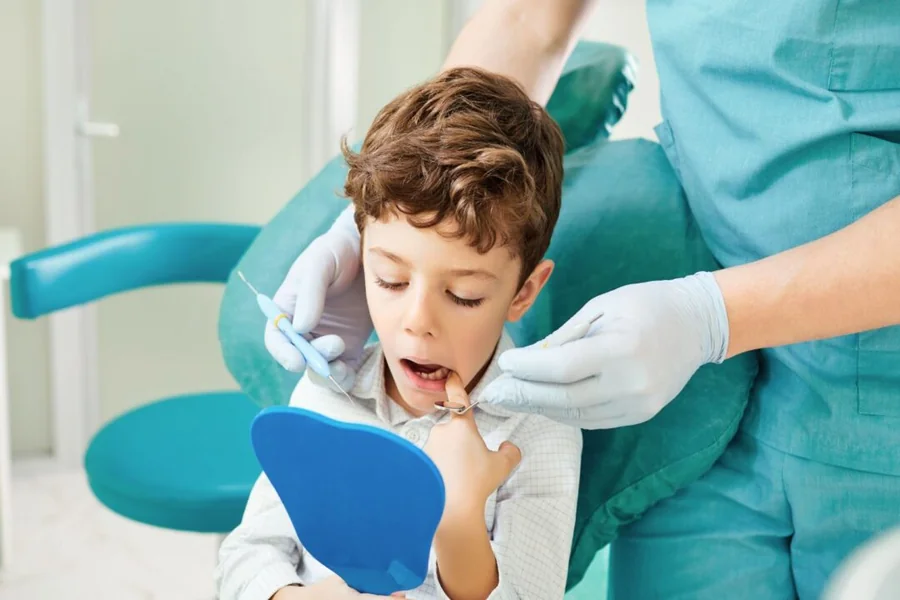
You can do a lot right as a parent and still feel uneasy about your child’s teeth. Maybe brushing turns into a fight every night, maybe a small cavity showed up at a routine visit, or maybe your child eats well and still complains when chewing. That stress makes sense. Oral health is easy to treat like one more box to check, but it touches much more than a smile. It affects sleep, speech, comfort, eating, confidence, and school performance. How General Dentistry Supports Healthy Childhood Development, including options like laser dentistry in Denton, TX, comes down to something simple. When a child’s mouth is healthy, daily life gets easier, and growth has fewer barriers in the way.
Regular care with a general dentist helps catch problems before they become painful, expensive, or disruptive. It also gives children a steady routine, which matters because habits formed early tend to stay. A healthy mouth supports the rest of the body, and that connection shows up in ways families notice fast, from better focus in class to fewer complaints at mealtime.
General dental care shapes eating, learning, and confidence
Children use their mouths all day. They eat, talk, laugh, sing, and learn sounds that help them read and communicate. When a child has untreated tooth decay, swollen gums, or mouth pain, those normal tasks become harder. You may see slower eating, pickiness, poor sleep, irritability, or a sudden drop in attention at school. According to the CDC’s guidance on oral health in schools, oral health problems can affect attendance and a child’s ability to concentrate and perform in class.
That link between the mouth and the rest of childhood is easy to miss because the signs do not always look dramatic. A child who wakes at night with tooth pain may seem tired and moody the next day. A child who avoids crunchy foods may not be getting the same variety of nutrients. A child embarrassed by visible decay may stop smiling in photos or speaking up around other kids. These are not separate issues. They are often connected to oral discomfort that a general dentist can identify and treat.
Childhood oral health care also supports speech development. Teeth help children form certain sounds clearly. Baby teeth matter here, even though they eventually fall out. They hold space for adult teeth and support normal jaw development. When decay leads to early tooth loss, alignment issues and speech challenges can follow, which can mean more treatment later.
Early dental visits reduce pain, stress, and long term costs
Many families wait until there is a problem because life is busy and dental appointments can feel easy to postpone. Then a small issue turns into a bigger one. What starts as a tiny cavity can become an infection, pain during meals, missed school, and a bill that feels a lot heavier than a cleaning and exam would have.
The pattern is common in young children. The HRSA resource on oral health for young children explains that early preventive care lowers the risk of decay and helps families build healthy routines from the start. That matters because kids rarely tell you, in a clear and calm way, that something is wrong. They show it in behavior. They stop chewing on one side, they avoid cold drinks, they become clingy at bedtime, or they melt down over brushing because their gums hurt.
General dentistry gives you a place to sort out those signs before they spiral. Cleanings remove buildup that brushing misses. Exams catch weak spots early. Fluoride and sealants can protect teeth that are at higher risk for decay. Parents also get guidance that fits real life, including how to handle thumb sucking, sugary snacks, mouth breathing, and sports safety.
Preventive dental care for children offers clearer benefits than waiting
| Approach | Short Term Effect | Long Term Effect |
|---|---|---|
| Regular checkups and cleanings | Less plaque, fewer missed early problems, reassurance for parents | Lower risk of major decay, fewer urgent visits, steadier oral health habits |
| Fluoride and sealants when recommended | Extra protection on weak or hard to clean areas | Lower chance of cavities in childhood and lower treatment costs later |
| Waiting until pain appears | Hidden decay may keep growing without clear symptoms | Greater risk of infection, missed school, higher costs, and more invasive treatment |
| Home care without professional support | Good effort, but technique and hidden trouble may be missed | Habits may not be enough to prevent issues in deep grooves or between teeth |
Families often assume brushing and flossing should be enough if they are done every day. Home care matters a lot, but it does not replace professional care. Children are still learning coordination, which means brushing can be rushed or uneven. Some teeth have grooves that trap food easily. Some kids are more prone to decay because of diet, dry mouth, crowding, or enamel weakness. The MedlinePlus guide to child dental health outlines these basics clearly and reinforces the value of regular dental visits alongside home care.
Healthy childhood development gets easier with consistent dental support
When children feel well, they participate more fully in daily life. They eat with less struggle, sleep more comfortably, speak with more ease, and carry themselves with less self consciousness. That is the quiet value of general dental care. It removes obstacles that children are often too young to explain.
This is also where routine matters more than perfection. A family does not need flawless habits to make progress. A child who has had a rough stretch with snacks, brushing battles, or missed appointments can still get back on track. What helps most is consistency and a relationship with a dentist who watches changes over time, responds early, and keeps care manageable.
Simple steps help protect your child’s oral health now
Schedule routine visits before there is a problem. Preventive appointments are easier on children than urgent treatment. They also give you a baseline, so changes are easier to spot early.
Watch for behavior changes, not just tooth pain. Trouble chewing, avoiding cold foods, waking at night, bad breath that lingers, or sudden brushing resistance can all signal an issue.
Make daily care easier, not stricter. Use a soft brush, help with brushing longer than you think you need to, keep sugary drinks limited, and build routines around the same times each day so they feel normal instead of negotiable.
Children do better when small health problems are handled early, and dental care is part of that picture. A general dentist supports more than teeth. They support comfort, growth, learning, and confidence in the moments that shape childhood every day.
