

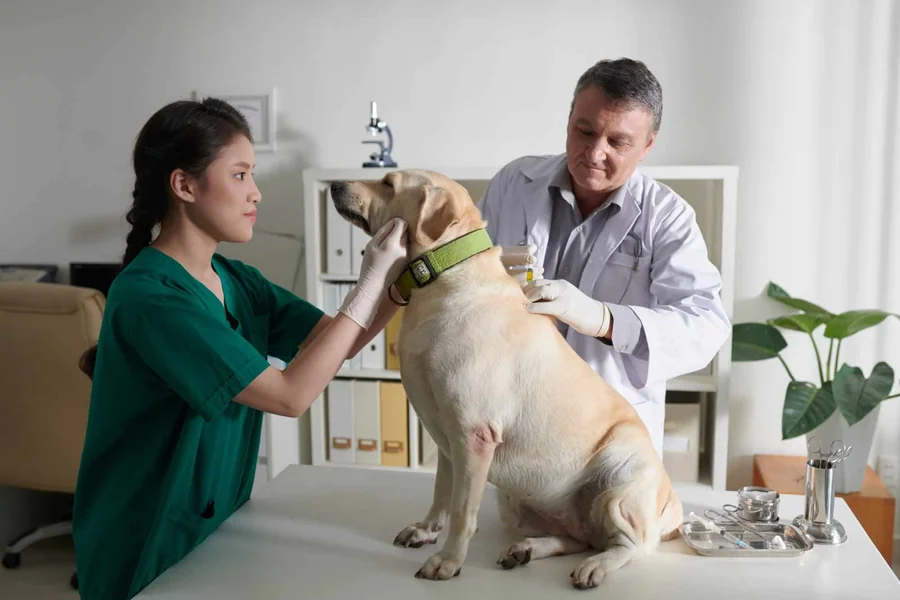
You bring your pet in, explain what happened, answer a list of questions, and finally feel like someone has the full picture. Then the shift changes. A new doctor or technician walks in, and your first thought is often the same one every worried pet owner has. At a Sumter veterinarian, do I need to start over, and will anything get missed?
That stress is real. When your dog is limping, your cat is struggling to breathe, or your pet is staying overnight, a shift change can feel like the moment care becomes less personal. In most cases, a veterinary hospital has systems for handoffs, records, and treatment plans, but you still need clear answers. The best way to protect your pet is to know what should happen during the transition, what you should ask, and where mistakes are most likely to happen.
Shift changes at a veterinary hospital should protect continuity of care
A shift change is more than one person clocking out and another clocking in. In a well-run veterinary hospital, it is a structured handoff. The outgoing team updates the incoming team on your pet’s condition, test results, medications, pain level, food and water intake, and any changes that happened during the last few hours. That handoff matters most when your pet is unstable, recovering from surgery, or being monitored overnight.
The first question to ask is simple. Who is responsible for my pet now? You deserve the name of the veterinarian or supervising clinician on the next shift, along with the best way to get updates. If your pet stays in the hospital, you should also know how often the team reassesses them and who calls you if something changes.
This is where many owners feel uneasy, especially if they already repeated the story three times at intake. You are not being difficult by asking for clarity. You are making sure the chain of communication stays intact.
Your pet’s treatment plan should not reset when the staff changes
The second question is whether the plan stays the same after the shift change. Most of the time, yes. The treatment plan should follow your pet from one team to the next through the medical record and verbal handoff. If your pet needs IV fluids, pain medicine, repeat bloodwork, oxygen support, or observation for worsening symptoms, those orders should carry over unless the new veterinarian changes them for a medical reason.
Problems happen when the plan is broad and the details are thin. “Monitor overnight” is not enough by itself. Monitor for what? Vomiting, breathing effort, urine output, seizure activity, appetite, incision swelling? The more specific the orders are, the safer the handoff becomes.
If your pet is in emergency or after-hours care, ask what milestones the team is tracking. Some hospitals explain this process in their after-hours emergency service guide. That kind of transparency helps because it shows you what the hospital expects from you and what you can expect from them.
Medication timing and test follow-up are the most common pressure points
The third and fourth questions are the ones that catch the most people off guard. When is the next medication due, and who reviews pending test results? These details can get lost if you do not ask. A pet who needs antibiotics every eight hours, insulin on a schedule, or pain medication after surgery cannot afford a fuzzy handoff. The same goes for X-rays waiting for review, lab values that need repeat checks, or a urine culture that comes back after the day team leaves.
If your pet is being transferred between shifts, ask for the next key time point. It may be the next exam, the next dose, the next blood draw, or the next update call. That one piece of information gives you a way to track whether the plan is moving.
It also helps to know what a normal handoff experience looks like. The University of Florida shares a helpful overview of what to expect at a veterinary hospital visit, including communication and care flow. Even if your hospital uses a different process, the basics are similar. Your pet’s chart, treatment orders, and status updates should follow the case, not stay with one person.
Discharge timing and cost can shift when a new team takes over
The fifth question is often the hardest one to ask when you are already worried about the bill. Will the shift change affect cost or discharge time? Sometimes it can. If the incoming veterinarian wants one more round of monitoring, repeat imaging, or another lab check before sending your pet home, that may add both time and expense. That does not mean the hospital is doing anything wrong. It means your pet’s condition may look different several hours later than it did at admission.
Still, you need plain language. Ask what has already been approved, what new charges could come up, and what would trigger a change in the plan. A good veterinary hospital will tell you the difference between necessary monitoring and optional add-ons. If your pet is stable, ask what exact goals must be met before discharge.
| Question to Ask During a Shift Change | Why It Matters | What a Clear Answer Sounds Like |
|---|---|---|
| Who is in charge of my pet now? | Confirms responsibility and update chain | “Dr. Smith is taking over at 7 p.m., and the overnight technician will monitor your pet every hour.” |
| What is the current treatment plan? | Prevents gaps in care | “We are continuing fluids, pain control, and a recheck exam at midnight.” |
| When is the next medication or test due? | Protects timing and follow-up | “The next antibiotic dose is at 10 p.m., and bloodwork will be repeated at 6 a.m.” |
| What changes would prompt a call to me? | Sets communication expectations | “We will call if breathing worsens, vomiting returns, or the estimate changes.” |
| What could delay discharge or increase cost? | Reduces surprise decisions | “If appetite does not return or pain is not controlled, we may recommend another night.” |
Pet care during veterinary shift changes gets safer when you ask for specifics
You do not need to know medical jargon to advocate well. You need concrete answers. General reassurance can sound comforting in the moment, but it does not tell you whether your pet’s meds are on time, whether the overnight doctor has reviewed the case, or whether discharge is realistic by morning.
Ask for the handoff summary. Ask the team to explain your pet’s current condition, active treatment, and next checkpoint in one short update. If they cannot summarize it clearly, that is a sign to slow the conversation down.
Write down times and names. Keep the name of the current doctor, the technician if available, the last update time, and the next planned step. In an animal hospital shift change, small details carry a lot of weight.
Clarify the call-back rules. Ask exactly when the hospital will contact you and when you should call them. This matters even more in emergency and overnight cases, where silence can feel worse than bad news.
Clear communication is part of good veterinary care
When a hospital changes shifts, your pet should not become a blank slate. The medical story should move forward with them, and you should know who is responsible, what the plan is, and what happens next. That is the standard in good pet hospital care, and it is fair to expect it.
If your pet is hospitalized, stay calm, stay direct, and keep asking for specifics until the plan makes sense. A shift change is routine for the staff. For you, it is personal. Both things can be true, and clear communication is what bridges that gap.
