

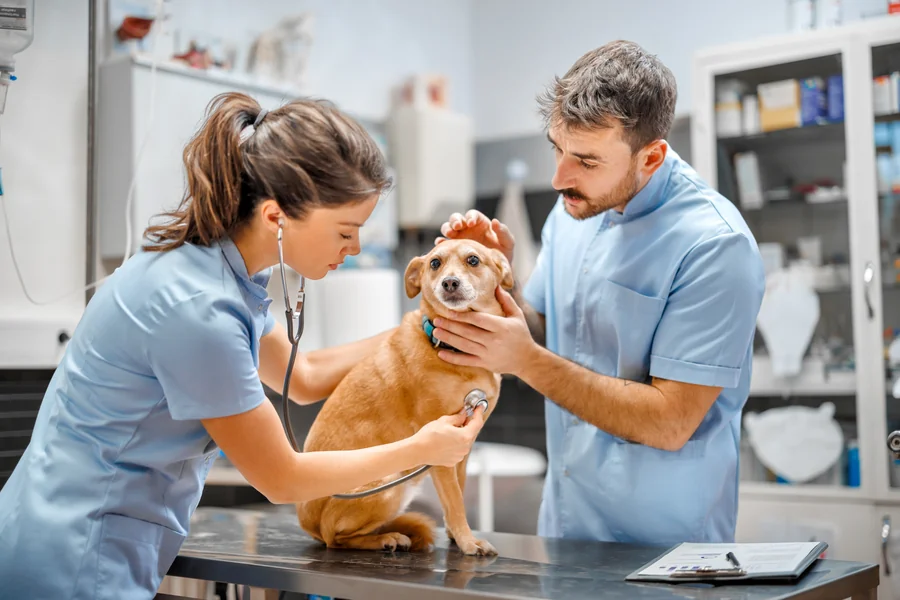
You know your pet’s normal habits so well that even a small change can sit in the back of your mind all day. Maybe your dog is sleeping more, your cat is eating less, or you found a lump during a quiet moment on the couch. That kind of worry is hard to shake, especially because cancer in pets often starts with signs that look minor at first. Regular visits with a general veterinarian matter because a local veterinary clinic for Surprise, AZ pet owners can help spot early changes when they are easier to test and often easier to treat before they grow into a crisis.
The role of general veterinary care in early cancer detection is not limited to finding obvious tumors. It includes routine exams, bloodwork, weight checks, history review, and the simple fact that a veterinarian sees patterns most owners cannot. A pet may still seem mostly fine, yet small clues can already be there. Catching those clues early can open up more treatment choices, lower suffering, and give you more time to make thoughtful decisions.
General veterinary care catches subtle cancer signs before they become emergencies
Cancer does not always announce itself clearly. Sometimes it starts with bad breath that turns out to be an oral mass. Sometimes it looks like weight loss, a swollen belly, limping, vomiting, a nonhealing wound, or bathroom changes that come and go. You might tell yourself it is age, stress, or a sensitive stomach. Most people do. That is why regular exams matter. They create a record of what is normal for your pet and make it easier to spot what is changing.
A general veterinarian checks far more than the problem you came in for. During a wellness visit, your pet’s mouth, skin, lymph nodes, abdomen, heart, lungs, and weight all tell part of the story. A lump under the fur may be harmless, or it may need testing. Enlarged lymph nodes may point to infection, or something more serious. A steady drop in weight can be one of the first clues that something is wrong even before a pet acts sick.
Early cancer detection in pets often starts in these ordinary appointments, not in an emergency room. That is the point many owners miss. Waiting until symptoms are severe can mean the disease is more advanced, treatment is more expensive, and options are narrower.
The American Veterinary Medical Association offers a clear overview of common cancer warning signs in pets, including lumps, weight loss, odor, bleeding, and trouble eating or exercising. None of those signs confirm cancer on their own, but they do deserve attention.
Routine testing helps detect cancer when a physical exam is not enough
Some cancers can be felt or seen. Others cannot. A pet may have internal changes that do not show up until bloodwork, urine testing, imaging, or cytology is done. That is where preventive care becomes more than a quick annual check. Testing gives your veterinarian a look beneath the surface.
For cats, wellness screening can help uncover hidden disease before obvious symptoms appear. VCA explains how wellness testing for cats can reveal internal problems through lab work and other screening tools. The same principle applies to dogs. Baseline results matter, especially as pets age, because trends over time can reveal concerns that a single visit might miss.
If something unusual appears, your veterinarian may recommend the next step, such as a fine needle aspirate, biopsy, X rays, ultrasound, or referral for advanced imaging. VCA’s guide to pet cancer diagnosis lays out how these tools help confirm whether a mass or symptom is cancer and how far it has spread. That information shapes treatment decisions and gives you a clearer picture of prognosis.
This is where many families feel torn. You want answers, but you also worry about cost, stress, and what the diagnosis might mean. Those concerns are real. Still, delaying basic testing can turn uncertainty into an emergency. A small, removable mass today may become a painful, invasive problem later.
General veterinarian visits create practical advantages for early treatment
General veterinary care supports early detection because it builds consistency. Your veterinarian learns your pet’s baseline behavior, weight, appetite, and exam findings over time. That history matters. A one pound loss in a large dog may mean little. The same loss in a small senior cat can be a major clue. A lump that has doubled in size since the last visit tells a different story than one that has stayed unchanged for years.
Earlier detection often leads to simpler decisions. Some cancers respond well when found early and removed surgically before spread. Others may still need oncology care, but earlier staging can help avoid rushed choices. Even when the diagnosis is serious, knowing sooner can help you focus on comfort, pain control, nutrition, and quality of life before your pet is in distress.
| Approach | What It Often Looks Like | Likely Result |
|---|---|---|
| Routine wellness care | Regular physical exams, weight tracking, lab work, prompt checks for new lumps or symptoms | Problems may be found earlier, with more treatment options and less urgent decision making |
| Wait and watch without an exam | Monitoring at home only, assuming changes are age related or temporary | Diagnosis may be delayed until symptoms are advanced, painful, or harder to treat |
| Emergency only care | Seeking help after collapse, heavy bleeding, severe weight loss, breathing trouble, or major pain | Higher stress, fewer options, and often higher costs due to advanced disease |
Three steps help you act before symptoms escalate
Schedule routine exams on time. Annual visits are a starting point. Senior pets or pets with chronic conditions often need checks more often. If your veterinarian suggests screening tests, ask what each one looks for and how the results would guide next steps.
Track changes at home with specifics. Write down when you first noticed a lump, cough, appetite shift, limping, or weight change. Take photos of masses with dates. Measure if you can. Details help your veterinarian tell the difference between a stable issue and one that is progressing.
Do not wait on persistent signs. A lump, unexplained weight loss, bleeding, trouble eating, vomiting, diarrhea, low energy, or behavior changes that last more than a few days deserve an exam. The same is true for any symptom that improves and then returns. Small changes are often where cancer screening for pets begins.
You do not need to panic every time something changes, but you also do not need to carry the worry alone. A general veterinarian is often the first and most useful line of defense in finding cancer early, sorting out what is harmless from what is not, and helping you make clear decisions for your pet. If something feels off, schedule a visit and get it checked. Acting early is one of the kindest things you can do.
