

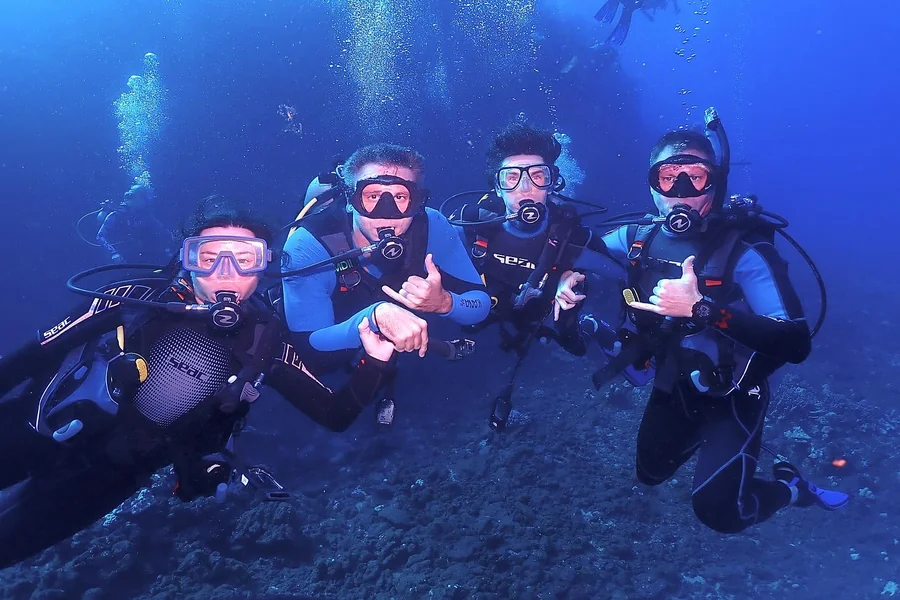
Hawaii has long been recognized as one of the world’s most breathtaking travel destinations, but the beauty of the islands extends far beyond the beaches and volcanic mountains visible from shore. Beneath the surface of the Pacific Ocean lies a remarkable underwater world filled with lava formations, vibrant coral reefs, tropical marine species, and crystal-clear waters. For travelers seeking adventure and natural discovery, the opportunity to dive Maui and Lana’i offers one of the most rewarding scuba diving experiences in Hawaii.
Maui and Lana’i attract divers from around the globe because of their unique underwater landscapes and diverse marine ecosystems. The waters surrounding these islands provide exceptional visibility, comfortable temperatures throughout the year, and access to some of Hawaii’s most famous dive sites. From underwater caverns and lava arches to encounters with sea turtles and reef fish, scuba diving in this region delivers both excitement and educational value.
The growing interest in marine tourism has also increased awareness about reef conservation and sustainable diving practices. Travelers today are not only looking for adventure but also seeking experiences that deepen their understanding of ocean ecosystems. Choosing to dive Maui and Lana’i allows visitors to explore Hawaii’s underwater environment while appreciating the importance of preserving fragile marine habitats for future generations.
Why Maui and Lana’i Are Among Hawaii’s Best Diving Destinations
Maui and Lana’i offer conditions that make scuba diving accessible for both beginners and experienced divers. The islands benefit from warm Pacific waters, relatively calm conditions in many areas, and an impressive variety of underwater terrain. Divers can explore shallow reef systems, deep lava structures, underwater cliffs, and dramatic swim-through formations during a single trip.
One of the most appealing aspects of scuba diving in Hawaii is the visibility. In many locations around Maui and Lana’i, visibility regularly reaches between 60 and 100 feet, allowing divers to fully appreciate the surrounding marine life and volcanic scenery. Clear water also improves underwater photography opportunities, making the islands particularly popular among ocean photographers.
The region’s volcanic history plays a major role in shaping the underwater environment. Ancient lava flows created tunnels, arches, and submerged rock formations that now serve as habitats for countless marine species. This geological diversity makes every dive visually distinct and adds an extra layer of exploration for visitors eager to dive Maui and Lana’i.
Unlike some crowded diving destinations around the world, many Hawaiian dive sites still maintain a peaceful and uncrowded atmosphere. Divers can often enjoy marine encounters without overwhelming boat traffic or heavily congested reefs, contributing to a more immersive experience beneath the surface.
The Marine Life That Makes Every Dive Unforgettable
Marine biodiversity is one of the strongest reasons travelers choose to dive Maui and Lana’i. Hawaiian waters support a rich ecosystem filled with tropical fish, protected sea turtles, reef sharks, manta rays, octopuses, and seasonal humpback whales. Many species found in Hawaii are endemic, meaning they exist nowhere else on Earth.
Green sea turtles, known locally as honu, are among the most iconic marine animals divers encounter. These gentle creatures are frequently seen resting near coral formations or swimming gracefully through reef systems. Hawaiian conservation laws protect sea turtles, and responsible divers are encouraged to maintain a respectful distance while observing them.
Colorful reef fish add life and movement to Maui and Lana’i’s underwater scenery. Divers commonly spot butterflyfish, angelfish, tangs, wrasses, and triggerfish weaving through coral habitats. Moray eels and octopuses can often be found hiding within lava rock crevices, adding excitement to underwater exploration.
During the winter migration season, humpback whales travel to Hawaiian waters to breed and give birth. Although direct underwater encounters are uncommon, divers frequently hear whale songs resonating through the ocean while underwater. This unforgettable experience creates a unique atmosphere that few dive destinations in the world can match.
For ocean enthusiasts, the chance to dive Maui and Lana’i provides more than simple recreation. It offers direct exposure to marine ecosystems that remain ecologically important and relatively well preserved compared to heavily impacted reef systems elsewhere.
Exploring Lana’i’s Famous Underwater Cathedrals
Lana’i is internationally recognized for its Cathedral dive sites, which are among the most photographed underwater locations in Hawaii. These sites feature large lava formations that create cavern-like chambers illuminated by beams of natural sunlight filtering through openings above.
The First Cathedral is especially popular because of its dramatic lighting and spacious interior areas. Divers entering the formation often describe the experience as peaceful and visually stunning. Sunlight creates glowing patterns across the volcanic rock while schools of tropical fish move through the openings.
The Second Cathedral offers a slightly more advanced dive with additional swim-through passages and varying underwater terrain. Experienced divers often appreciate the site’s complexity and opportunities for underwater photography. The combination of volcanic architecture and marine biodiversity makes these dive sites truly unforgettable.
Safety remains essential when exploring underwater caverns and lava formations. Divers should always follow certified dive professionals familiar with local currents and conditions. Maintaining proper buoyancy is also important to protect delicate marine habitats and avoid damaging coral growth attached to volcanic surfaces.
For many travelers, the opportunity to dive Maui and Lana’i becomes especially memorable because of these extraordinary underwater geological structures found near Lana’i’s coastline.
The Importance of Coral Reef Conservation in Hawaii
Coral reefs play a critical role in maintaining healthy marine ecosystems throughout Hawaii. These reefs provide shelter for fish populations, support biodiversity, and help protect coastlines from wave erosion. However, climate change, pollution, and irresponsible tourism continue to threaten reef health worldwide.
Scuba diving operators around Maui and Lana’i increasingly emphasize environmentally responsible diving practices. Divers are encouraged to avoid touching coral reefs, disturbing marine animals, or leaving debris in the ocean. Even minor contact with coral can cause long-term damage because coral structures grow very slowly.
Hawaii has also taken important steps toward reducing reef pollution by restricting harmful sunscreen chemicals linked to coral bleaching. Visitors are encouraged to use reef-safe sunscreen products before entering the water to minimize environmental impact.
Marine conservation efforts around Maui and Lana’i help preserve biodiversity while supporting sustainable tourism. Protected marine areas allow fish populations and reef systems to recover naturally, benefiting both local ecosystems and future visitors who wish to dive Maui and Lana’i responsibly.
Travelers who understand and follow conservation guidelines contribute to the long-term protection of Hawaii’s underwater environments. Sustainable diving practices ensure that future generations can continue experiencing the islands’ remarkable marine biodiversity.
Seasonal Diving Conditions Around Maui and Lana’i
One of the reasons scuba diving remains popular in Hawaii throughout the year is the region’s relatively stable climate. Water temperatures generally range between 74 and 80 degrees Fahrenheit, allowing comfortable diving conditions in every season.
Summer months typically bring calmer ocean conditions and excellent visibility. These conditions are ideal for beginner divers, certification courses, and underwater photography. Calm seas also improve access to several popular dive locations around Lana’i and Maui.
Winter conditions can become more dynamic because of stronger Pacific swells, but this season also offers unique opportunities to experience humpback whale migration. Whale activity attracts marine enthusiasts from around the world, and hearing whale songs underwater remains one of Hawaii’s most extraordinary diving experiences.
Ocean currents and weather conditions can vary significantly between dive sites, making professional guidance important for safety. Experienced dive operators monitor conditions carefully and select dive locations based on visibility, current strength, and overall safety.
Planning the right season to dive Maui and Lana’i allows travelers to maximize visibility, marine encounters, and overall diving comfort based on their personal experience level and interests.
Scuba Diving Encourages Ocean Awareness and Education
Scuba diving often changes the way people view the ocean. Exploring coral reefs and volcanic underwater landscapes firsthand helps divers better understand marine ecosystems and the environmental challenges they face. Many visitors leave Hawaii with a stronger appreciation for conservation and ocean protection after witnessing these ecosystems directly.
The underwater geography surrounding Maui and Lana’i also tells the story of Hawaii’s volcanic origins. Lava formations, submerged craters, and underwater cliffs reveal millions of years of geological activity that shaped the islands into their present form.
Native Hawaiian culture has long emphasized respect for the ocean and the interconnected relationship between nature and human life. Responsible tourism and environmental stewardship align closely with these cultural values. Visitors who dive Maui and Lana’i respectfully contribute to preserving both natural ecosystems and the cultural significance of Hawaii’s marine environment.
Educational diving experiences also help travelers understand the importance of marine biodiversity, reef restoration, and sustainable tourism practices. These lessons often remain meaningful long after a vacation ends.
Discovering Hawaii’s Underwater Beauty Through Scuba Diving
Scuba diving around Maui and Lana’i offers an unforgettable blend of adventure, marine biodiversity, volcanic geology, and environmental education. Few destinations combine clear Pacific waters, thriving reef systems, and dramatic underwater lava formations in such an accessible and visually stunning way.
From the famous Cathedral dive sites of Lana’i to Maui’s colorful coral reefs and abundant marine life, every underwater experience reveals something extraordinary. Divers have the opportunity to encounter sea turtles, tropical fish, reef sharks, and even the distant songs of migrating humpback whales while exploring Hawaii’s remarkable underwater landscapes.
For travelers seeking meaningful ocean adventures, the decision to dive Maui and Lana’i provides far more than recreational excitement. It creates a deeper appreciation for Hawaii’s natural beauty, marine conservation efforts, and the fragile ecosystems that make these islands one of the world’s premier scuba diving destinations.
